The Ultimate Girona Road Bike Route with the Best Cafe Stops
Discover the ultimate Girona road bike route with the best cafe stops. Perfect for cyclists seeking scenic rides, coffee, and local charm in Catalonia.
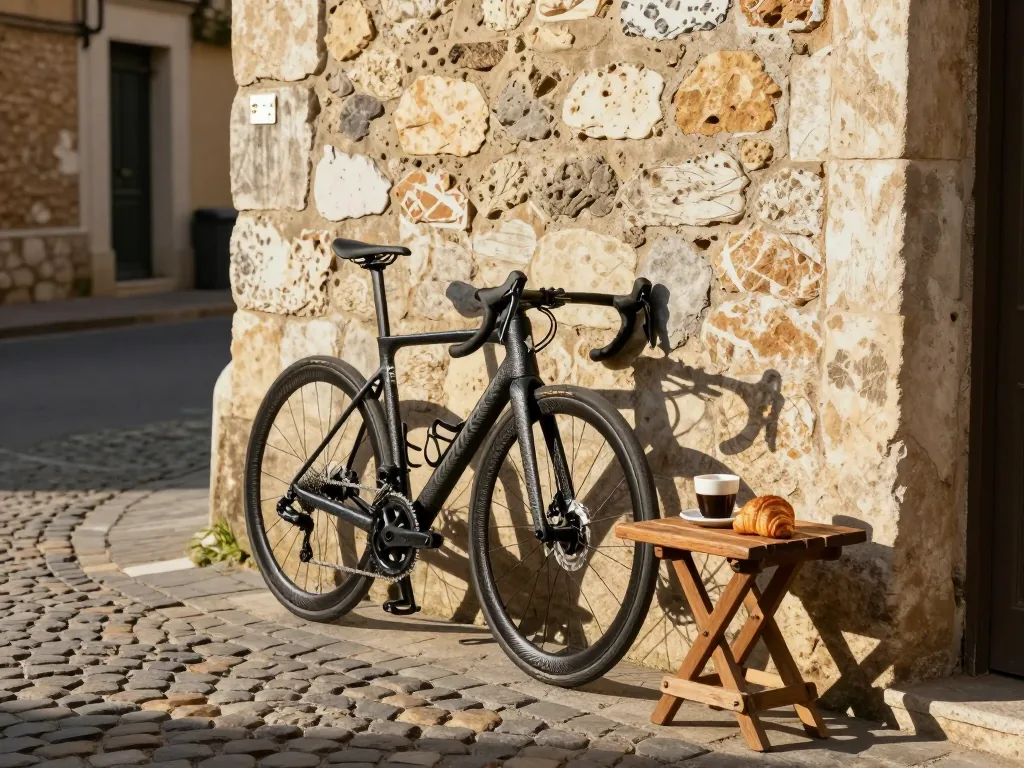
For many cyclists, the dream isn’t just about elevation gain or speed records. It’s the perfect marriage of a challenging ride and a well-earned, excellent coffee. Nestled in the Pyrenees foothills, Girona offers some of Europe’s most spectacular cycling terrain. Yet its countless winding roads can feel overwhelming. This guide cuts through the noise. It delivers the ultimate route, meticulously linking Girona’s smoothest tarmac with the region’s most charming, essential cafe stops. You’ll leave with a turn-by-turn itinerary that balances epic climbs with the local cortados and pastries that make the effort truly worthwhile.
Route Overview and Key Characteristics
Distance and Duration Options
This Girona road bike route offers flexible loop options from 60 km to 100 km, depending on whether you prefer more riding or more lingering over espresso and pastries. The full circuit takes 4 to 6 hours of riding time, excluding cafe stops, making it ideal for either a half-day or full-day excursion. For cyclists seeking a relaxed, cafe-focused day, the shorter 60 km loop provides ample time to explore three or four stops without rushing. Those aiming for a greater challenge should choose the full 100 km distance, which adds rolling sections and extends total time on the bike. The terrain mixes rolling hills with flat agricultural stretches, so pacing yourself matters—especially if you plan a long lunch at one of the recommended cafes. A good rule of thumb: budget an extra 45 to 90 minutes for coffee and food breaks, depending on how many stops you make.
Terrain and Road Surfaces
The route follows secondary roads (carreteres locals) and quiet paved lanes, completely avoiding major highways and busy arterial roads. You can focus on the scenery without worrying about heavy traffic. Road surfaces are predominantly smooth asphalt, though occasional gravel patches near farm access roads appear—nothing requiring a different bike or tire choice. The entire route is paved, so no technical mountain biking skills are needed; a standard road bike or hybrid handles it perfectly. Key terrain characteristics include:
- Rolling hills with short, punchy climbs: Expect gradients up to 6–8%, especially near the Gavarres massif foothills. These climbs are brief but rewarding, offering sweeping views over the plains.
- Long flat sections through agricultural plains: These provide welcome recovery periods, letting you spin out your legs while pedaling past sunflowers, corn, and olive groves.
- All surfaces are paved: The entire loop suits road bikes with 25–28 mm tires. No gravel-specific or mountain bike equipment is required, though a spare inner tube is always wise.
The combination of varied terrain and excellent road quality makes this route accessible to intermediate and experienced cyclists alike, while still offering a genuine challenge on the longer option.
Starting Point in Girona City Center
Recommended Departure Location
The most practical and iconic place to begin is near the Cathedral of Girona or along the scenic banks of the Onyar River. Both offer straightforward access to the roads leading out of the city and into the rolling hills of the Empordà region. If you arrive by car, paid parking is available in lots around the Cathedral (€2 to €4 per hour) or at larger underground garages near Plaça de la Independència (€15 to €25 per day). Starting here lets you snap a quick photo on the famous Cathedral steps before clipping in. The Onyar River path provides a flat, easy warm-up to loosen your legs before the first climb, and it connects directly to main exit routes heading north or west.
Early Morning Preparation
A successful day on the road begins before you swing your leg over the saddle. Check your bike and gear thoroughly while still in the city—services in smaller villages are limited and may not open until mid-morning. Inspect tire pressure, ensure your chain is clean and lubricated, and verify that brakes and gears function smoothly. Fill your water bottles at your hotel or a public fountain near the Rambla de la Llibertat. Carry a light snack for the first hour, like a banana, gel, or small pastry from a local bakery. This will sustain your energy until the first cafe stop, typically after 20 to 25 kilometers. Bring a basic repair kit—spare inner tube, tire levers, and mini pump—since bike shops are sparse once you leave the city. By preparing early and starting from a well-connected point in central Girona, you set yourself up for a smooth, enjoyable ride through some of Catalonia’s most beautiful countryside.
Navigating to the Baix Empordà Region
Exit Route from Girona
Leaving the cobbled charm of Girona behind, the first order of business is a smooth, stress-free exit toward the Baix Empordà. The ideal route heads south from the city’s edge, avoiding the busy N-II highway entirely. Instead, you’ll weave through a network of quiet, local roads that cut through the gently rolling countryside toward the town of Cassà de la Selva. This initial stretch is a gift for your legs—mostly flat, with only the slightest undulations, allowing you to settle into a warm-up pace while the morning light spills over the cork oak groves and farmhouses. The road surface is generally good, but keep an eye out for occasional gravel patches near rural crossings. From Cassà, the route continues east, the terrain beginning to open up as you enter the flat, agricultural plains that define the Baix Empordà’s southern gateway. This section is a pedal-stroke meditation: long, straight farm lanes flanked by fields of sunflowers in summer or winter wheat, with the distant blue ridge of the Gavarres massif as your constant companion.
Key Junctions and Signage
Once you leave the immediate orbit of Cassà de la Selva, navigation becomes a matter of reading the landscape as much as the signs. The key is to follow the markers for “La Bisbal d’Empordà” and “Púbol” after you pass the main highway overpass. These two towns serve as your primary waypoints. The signage here is functional but sparse—think weathered green boards nailed to posts, not the glossy blue of major routes. On the approach to Púbol, a quiet village famous for its Gala-Dalí castle, you’ll encounter a crucial fork just before a stone bridge. Keep left toward La Bisbal; the right turn loops into a dead-end residential area. A reliable GPS device or a paper map is strongly recommended, as mobile phone service can be frustratingly spotty in these rural pockets—particularly in the low-lying basins near the Daró River. If you do lose your signal, the rule of thumb is to keep the sun on your left shoulder in the morning and follow the faint sound of church bells from La Bisbal’s cathedral. This region rewards those who ride with their eyes up, reading the ancient paths etched between vineyards and medieval villages.
First Cafe Stop: Púbol
Location and Atmosphere
Your first well-earned break arrives roughly 20 kilometers southwest of Girona, in the tranquil hilltop village of Púbol. This is no ordinary roadside café. The village is dominated by the imposing Castell de Púbol, a 10th-century fortress that later became the private residence and final home of Gala Dalí, the muse and wife of surrealist master Salvador Dalí. The castle’s distinctive crenellations and ochre stone walls create a surreal backdrop that feels lifted from one of Dalí’s paintings.
The cafe stop nestles in the village’s small, sun-washed public plaza. It is a modest, family-run local bakery rather than a slick cycling café, which is precisely its charm. The atmosphere is unhurried and authentic. A few weathered wooden tables and chairs sit on the cobblestones, shaded by a large plane tree. The air smells of fresh bread and strong coffee, mixed with the quiet hum of village life. Locals chat softly; the only traffic is an occasional farmer’s van. You can lean your bike against a stone wall, unclip your helmet, and feel the tension of the road melt away. The contrast between the strenuous climb up to the village and the peaceful, almost timeless plaza makes this stop deeply satisfying.
Recommended Break Activities
Plan to rest here for a solid 15 to 20 minutes. This is not a place to rush. Begin by refilling your water bottles at the public fountain in the corner of the plaza—the water is fresh and cold. Then head into the bakery. The pastries are excellent, particularly the coca de llardons (a savory Catalan pastry with pork cracklings) or a simple ensaïmada dusted with powdered sugar. Pair it with a café con leche or fresh orange juice. Prices are refreshingly reasonable: expect to pay from €2 to €5 per person for coffee and a pastry.
While you eat, check your route for the next segment. The terrain after Púbol becomes more rolling and open as you head toward the flatlands of the Empordà, so this is the ideal point to confirm navigation and adjust layers. If you have time, walk 50 meters to the castle gate for a quick photo—the view of the surrounding plains from the village edge is stunning. Use this pause to stretch your legs, apply more sunscreen, and mentally reset. The road ahead is beautiful but demands attention. A proper rest here will serve you well for the kilometers to come.
Second Cafe Stop: La Bisbal d’Empordà
Town Center and Facilities
After the rolling hills and exposed stretches south of Girona, La Bisbal d’Empordà arrives as a welcome relief—for both your legs and your appetite. This is the largest town on the route, and its central plaza, Plaça de la Llibertat, is the beating heart of the stop. Unlike smaller villages where you might find a single bar with limited seating, La Bisbal offers a proper town square lined with multiple cafes, bakeries, and delis. The plaza is pedestrian-friendly, shaded by plane trees, and equipped with public restrooms—located just off the square near the town hall, free to use. Secure bike parking is available at several racks along the perimeter, and a few cafes even have designated bike stands out front. For cyclists, this is a natural midpoint—roughly 40 to 50 kilometers from Girona depending on your exact route—making it the ideal place for a longer, unhurried break. The town’s ceramic shops and pottery workshops (La Bisbal is famous for its ceramics) add a cultural touch if you want to stretch your legs beyond the table.
“The moment you roll into La Bisbal’s plaza, you know this isn’t just a quick coffee stop—it’s where the ride pauses for a proper meal. The energy of the square, the smell of wood-fired bread, and the sight of other cyclists doing the same thing make it feel like the unofficial halfway party of the route.” — Local cycling guide, Marc Soler
Consider this stop for a more substantial meal. While earlier cafes might only offer pastries or small sandwiches, La Bisbal provides the widest food selection on the entire route. Most cafes serve bocadillos (fresh crusty bread with cured ham, cheese, tortilla, or roasted vegetables) priced from €5 to €9 each. For a true local treat, order a slice of coca de recapte—a savory flatbread topped with roasted peppers, eggplant, and anchovies—or the sweeter coca de llardons (a pastry with pork cracklings and pine nuts). Bakeries in the plaza also sell individual portions of coca cake (a dense, almond-based local cake) for €2 to €4 per slice. Coffee is standard: a café con leche runs €1.50 to €2.50, and a large bottle of water is €1 to €2. If you need to refuel your body more than your bike, this is the stop to sit down, order a full plate, and watch the town’s ceramic deliveries clatter past on cobblestones. Allow at least 30 to 45 minutes here—it’s worth the pause before the final push toward the coast or your return leg.
Third Cafe Stop: Monells
Medieval Charm and Rest Spot
Monells feels suspended in time. You roll over the ancient stone bridge spanning the Rissec stream and enter a quiet, cobbled square that could double as a film set—and often does, given its popularity with Catalan filmmakers. The centerpiece is the arcaded Plaça Major, where plane trees cast dappled shade over worn stone benches. Here you’ll find the ideal final coffee stop before the return leg to Girona. The cafe, often family-run and tucked under medieval arcades, serves excellent cortados and pastries like coca de llardons or a simple pa amb tomàquet for something more substantial. The atmosphere is unhurried: locals chat in the shade, an occasional dog naps at a table leg. It’s a place to breathe, not rush. A cappuccino and pastry cost from €3 to €6, depending on whether you choose a simple espresso or a larger specialty drink.
Timing and Terrain
This stop arrives at a strategic moment. You’ve just completed a rolling section from La Bisbal d’Empordà—gentle, undulating terrain with short, punchy climbs that test tired legs without punishing them. By Monells, you’ve earned the rest. The cafe’s outdoor seating in the square is perfect for leaning your bike against a wall and stretching your hamstrings while sipping something warm. The remaining ride back to Girona is mostly flat, following quiet lanes through the Gavarres foothills and the Ter River valley. You’ll pedal past sunflowers (in season) and sleepy farmhouses, with only the occasional gentle rise reminding you of the hills left behind. Total distance from Monells to Girona is about 25–30 kilometers, depending on your exact route. The flat profile means you can cruise home in under an hour, even with tired legs. This makes Monells the perfect punctuation mark: a medieval pause signaling the end of serious effort and the start of a relaxed, scenic roll back to the city. The stone bridge, quiet square, and final flat run combine to make this stop as restorative for the spirit as it is for the legs.
Key Landmarks and Points of Interest
The Girona road bike route is as much a feast for the eyes as for the legs, weaving through history with every turn. Two landmarks deserve a pause—not for a full museum visit, but for a quick, rewarding break that enriches the ride without eating into saddle time.
Castell de Púbol
Perched on a gentle rise in the village of Púbol, this castle is deeply tied to the surrealist world of Salvador Dalí. He gave it as a gift to his wife and muse, Gala, who spent summers here and is buried in the crypt. The interior is a fascinating time capsule of their eccentric life, but you don’t need a ticket to appreciate its cultural weight. Simply roll into the small plaza fronting the castle gates. From here, admire the fortified stone walls, the crenellated tower, and the quiet, almost secretive atmosphere that once inspired one of art’s most notorious couples. The plaza is also a convenient spot to refill a water bottle from the public fountain and snap a quick photo before continuing south. If you’re tempted to go inside, tickets for the castle and gardens generally range from €10 to €14 per adult (2026 estimates). For a focused ride, though, the exterior view is more than sufficient.
Monells Medieval Bridge
About 15 kilometers south of Púbol, the route passes through the picture-perfect village of Monells. Just before the village center, you’ll cross the Rissec River via a photogenic stone bridge that has stood for centuries. This is the Monells Medieval Bridge—a low, arched structure with thick parapets and uneven cobblestones that demand a careful dismount. It’s one of the most photographed spots on the entire Girona circuit. The stonework catches the morning light beautifully, and the reflection of the arches in the slow-moving river below creates a classic Catalonian scene. Stop here for no more than five minutes—just long enough to lean your bike against the railing, take a few shots, and listen to the water trickling over the rocks. The bridge leads directly into Monells’ central square, where you can find a cafe for your next espresso or pastry break. Because this is a public bridge, there is no entrance fee—a zero-cost, high-reward diversion.
Seasonal and Weather Considerations
Timing your ride according to the seasons and daily weather is essential for fully enjoying the Girona road bike route and its cafe stops. Girona’s Mediterranean climate creates distinct cycling windows, and knowing when to go can mean the difference between a blissful day on the bike and a struggle against the elements.
Best Riding Seasons
Spring (March through May) and autumn (September through November) are the optimal periods. Daytime temperatures consistently range from 15°C to 25°C, offering comfortable conditions for sustained effort. The air is crisp in the morning and warms gently by midday, keeping your legs fresh and hydration manageable. Spring brings wildflowers along rural stretches and lighter traffic on quieter roads, while autumn delivers stable air and golden light that enhances views of the Pyrenees foothills. Avoid summer (June to August): temperatures routinely exceed 30°C, and many sections—especially exposed climbs and rolling farmland—lack consistent shade, risking heat exhaustion or dehydration. Winter (December to February) brings frequent rain, cold winds, and occasional frost, making descents treacherous and cafe terraces less inviting. A dry winter day can be rideable, but the route’s full experience demands the milder shoulder seasons.
Daily Timing and Sun Exposure
Regardless of season, start between 8:00 and 9:00 AM. In spring and autumn, this lets you finish before the afternoon heat peaks (around 2:00–3:00 PM) or, in late autumn, before early darkness by 5:00 PM. The route’s topography—open valleys, exposed hillsides, and long straightaways—offers limited natural shade. Even on a 20°C day, the sun can be intense for hours. Wear high-SPF sunscreen on all exposed skin, and bring at least two large water bottles (750ml each) plus a small electrolyte packet. Most cafe stops have outdoor taps or refill bottles for free, but you may go 20–30 km between sources. A light long-sleeve jersey or arm warmers help for early starts, as morning temperatures can dip to 10°C even in May. At cafe stops, expect to pay €2 to €5 for an espresso or cappuccino, and €4 to €9 for a pastry or light lunch, depending on location and season.
Practical Tips for a Self-Guided Ride
A little preparation goes a long way on this Girona road bike route. The advice below covers navigation, equipment, and fueling so you can focus on the ride—not on avoidable mishaps.
Navigation and Communication
Before you leave home, download a GPX file of the exact route onto your cycling computer or smartphone. Cellular reception is reliable in Girona and La Bisbal, but it drops in the valleys and forested climbs between them. A preloaded file ensures you never second-guess a turn. Pair this with a simple handlebar mount for your phone as a backup. Store the contact information of at least one local bike shop—in both Girona and La Bisbal—in your phone. Bike shops are rare outside these two towns, so a basic repair kit is non-negotiable. Pack at least two spare inner tubes, a multi-tool with chain breaker, a tire lever set, a mini pump or CO2 inflator, and a patch kit. A small chain quick-link can save a ride if your chain snaps. Leave the heavy tools at home—carry only what fits in a saddlebag or jersey pocket.
Food and Hydration Strategy
Your energy management on this route determines whether you finish strong or bonk before the last climb. Follow this simple plan:
- Eat a light breakfast in Girona before starting. Aim for easily digestible carbohydrates—oatmeal, a banana, toast with jam, or a small pastry. Avoid heavy proteins or fats that sit in your stomach. Coffee is fine, but don’t overdo caffeine if you’re sensitive.
- Use the three cafe stops for main meals and snacks. Each stop is spaced roughly 20–30 km apart, perfectly timed for refueling. At the first cafe, have a mid-morning snack like a croissant or rice cake. At the second, treat it as your lunch stop—a sandwich, slice of quiche, or light pasta dish works well. The third stop is for an afternoon pick-me-up: fruit, a small pastry, or a protein bar.
- Carry two water bottles and refill at each stop. On a warm day, you’ll drink at least one bottle every 20–25 km. Fill both bottles at every cafe, even if you haven’t finished the first. Tap water in Catalonia is safe to drink, and cafes will happily refill bottles for free or with a small purchase.
- Avoid heavy meals that may slow digestion during riding. Steer clear of fried foods, creamy sauces, or large portions of meat—these can cause bloating or lethargy on the climbs. Stick to simple, familiar foods your stomach handles well under exertion.
For pricing, expect cafe stops to cost from €3 to €8 per person for a coffee and pastry, and from €8 to €14 per person for a light sandwich or salad. A full lunch with a drink runs from €12 to €20 per person. These are realistic 2026 estimates for the Girona region.
Conclusion
Whether you’re a seasoned cyclist or a weekend enthusiast, this Girona road bike route blends challenging climbs, scenic descents, and rewarding cafe stops. The true magic of cycling here isn’t just in the miles—it’s in the moments spent refueling with a cortado and cake at a hidden village café. So pick a sunny morning, mount your bike, and follow the route from Girona’s old town through the rolling hills of the Empordà. Let the aroma of fresh espresso guide your pedals, and discover why this corner of Catalonia is a cyclist’s paradise.
Frequently asked questions
What is the typical distance of a Girona road bike route with cafe stops?
Most popular routes range from 60 to 120 kilometers, depending on how many climbs and cafe stops you include. A classic loop like Girona to Banyoles and back via the volcanic zone is about 70 km with two natural cafe breaks.
Where are the best cafe stops along Girona road bike routes?
Key cafe towns include Banyoles, Besalú, and Madremanya, each offering terraces with bike parking and strong espresso. Many cafes in these villages are cyclist-friendly, with water refills and simple pastries like coca or croissants.
Are the cafe stops open year-round for cyclists?
Most popular cafe stops in tourist towns like Banyoles and Besalú operate year-round, though hours may shorten in winter. Smaller village cafes, especially in the Empordà region, often close on Mondays or during the midday siesta, so plan your arrival before 2 PM.
How hilly are typical Girona road bike routes with cafe stops?
Routes vary from rolling hills to moderate climbs, with the most famous cafe-loop through the Gavarres mountains featuring 800–1,200 meters of elevation gain. The climbs are steady but not extreme, making them suitable for intermediate riders who want rewarding views before a coffee stop.
Can I find secure bike parking at cafes on these routes?
Many cafes in Girona’s cycling hubs have outdoor seating where you can keep your bike in sight, and some offer simple racks or hooks. It’s common to lean your bike against a wall or table, but bringing a small lock is recommended for longer stops.
What type of food is typically available at cafe stops on Girona bike routes?
Expect Catalan staples like pa amb tomàquet (bread with tomato), cured ham sandwiches, and ensaimada pastries, along with espresso and fresh orange juice. Most cafes also serve light lunch options such as salads or tortilla, ideal for refueling mid-ride.
How do I navigate between cafe stops on a Girona road bike route?
The route is best followed using a GPS bike computer with a pre-loaded GPX file, as signposting varies outside of major towns. Popular apps like Komoot or Ride with GPS have curated Girona cafe-loop tracks that link villages via quiet secondary roads.
Is it easy to find public water refill points between cafe stops?
Yes, most small towns have public fountains (font pública) near the main square or church, often with potable water. It’s wise to carry two bottles and refill at these fountains between cafes, especially on warmer days.
What is the best time of day to start a Girona cafe-stop bike route?
Start by 8:30 AM to enjoy cooler morning temperatures and arrive at the first cafe around 10 AM when they are fully open. An early start also allows you to finish the loop by early afternoon, avoiding the hottest part of the day and the siesta closure of some cafes.
Are there any safety tips specific to riding these routes with cafe stops?
Be cautious on the narrow, winding roads near Madremanya and the Gavarres, as traffic can include fast-moving cars and tractors. Always signal your intentions clearly at cafe stops, and avoid leaving valuables in jersey pockets while you step inside.