Ride the Wild Side: Unpaved Cycling Tracks on the Costa Brava
Explore the Costa Brava's wild side on unpaved cycling tracks—rugged trails, coastal views, and hidden coves await adventurous riders.
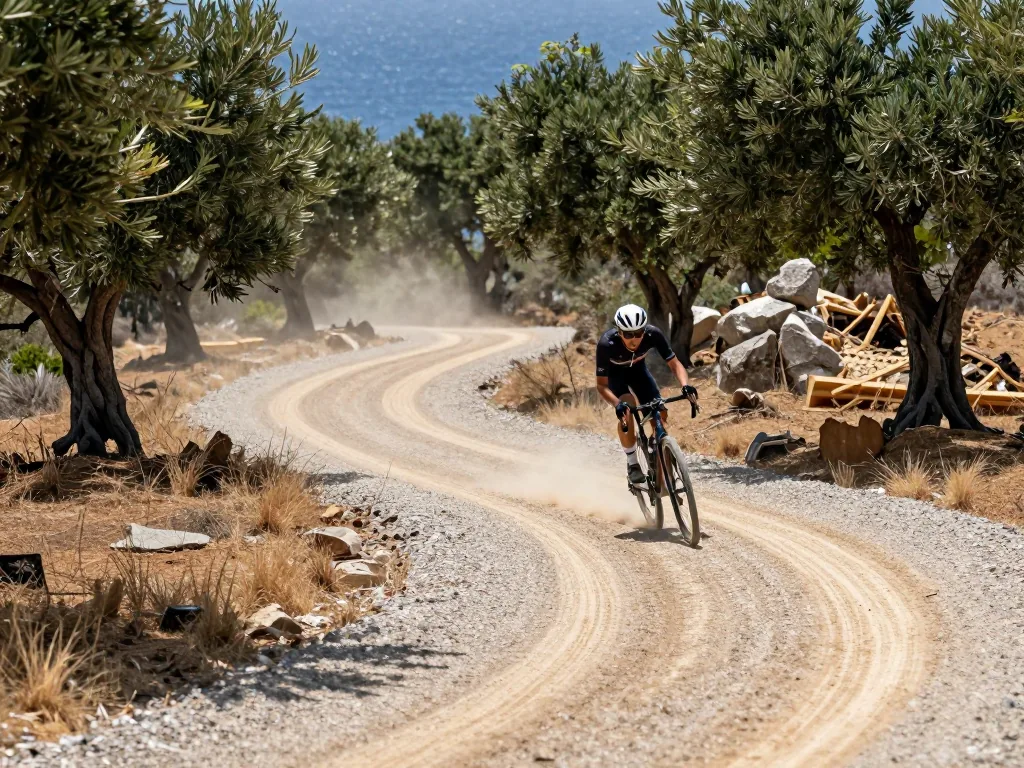
Forget the asphalt—the real Costa Brava is a rugged tangle of cork forests, cliff-top singletrack, and ancient mule paths that drop straight into hidden coves. This guide equips leisure and adventure cyclists with everything needed to explore those unpaved tracks. It covers choosing the right bike, reading the terrain, planning multi-day routes, and respecting local trails. You’ll learn to match the region’s geography—from the rocky Cap de Creus to the softer inland hills—with practical logistics like water sources and train connections. Advanced considerations address technical descents and shifting coastal winds. Whether you’re after a breezy afternoon loop or a week-long traverse between Blanes and the French border, you’ll finish with the confidence to ride safely, ride scenically, and leave no trace. Grab your gravel bars—the wild side of the Costa Brava is waiting.
Understanding the Terrain and Trail Network
The Geography of Gravel on the Costa Brava
The real magic of unpaved cycling here lies in the dense web of dirt that stitches together the coastal hills between Sant Feliu de Guíxols, Palamós, and Begur. This is the heartland of Costa Brava gravel, with the highest concentration of rideable tracks anywhere on the Catalan coast. The network is a patchwork: ancient mule tracks worn into the hillsides by centuries of farmers and smugglers, wide forest firebreaks cut through pine and cork oak stands, and rugged coastal dirt roads that shadow the cliffs. Expect a relentless rhythm of rolling hills rather than sustained climbs—short, punchy ascents followed by fast, technical descents. The surface changes constantly under your wheels. Hard-packed dirt lets you carry speed; loose gravel demands a steady hand; near the coves, soft sandy stretches test your momentum. Vineyards and olive groves punctuate the landscape, and every few kilometres the trees part to reveal a view of the rocky shoreline plunging into a turquoise sea. The GR 92 footpath threads through this same terrain, but don’t be tempted to follow it blindly—on narrow, pedestrian-only sections you must dismount. Fortunately, parallel dirt tracks almost always run nearby, offering the same scenery without the foot traffic.
Seasonal Riding Windows and Weather Realities
The Mediterranean climate dictates when you ride. Spring and autumn are the golden windows: temperatures hover in a comfortable range, the trails are firm, and the dust stays manageable. Summer rides are possible but demand an early start—by mid-morning the sun beats down relentlessly, and you’ll need extra water for every hour in the saddle. Winter flips the script entirely: cooler air, quieter trails, and a landscape that greens up after the first rains. The trade-off is mud; after a wet spell, low-lying sections turn slick and heavy, so check recent rainfall before heading out. Coastal winds can arrive suddenly, especially in the afternoon, and thunderstorms occasionally roll in from the Pyrenees, so always glance at the local forecast before committing to a long loop. A flexible plan—and a willingness to turn around—will keep you safe and smiling.
Preparing Your Bike and Gear for Unpaved Riding
Choosing the Right Bicycle and Tyre Setup
Your bike is the foundation of any great gravel adventure, and it needs to handle the constant pounding of broken tarmac, loose gravel, and sandy firebreaks. A dedicated gravel bike, a cyclocross machine, or a modern mountain bike with 35–50 mm tyres fits the bill perfectly. Run those tyres at lower pressures—30–40 psi, depending on your weight—to create a larger contact patch that floats over deep gravel and grips loose sand instead of digging in. On the roughest forestry tracks, where embedded rocks and exposed roots are common, a rigid or hardtail mountain bike offers superior comfort and control, letting you descend with confidence. Road bikes with slick, narrow tyres are a recipe for punctures and sketchy handling; leave them at home. Gearing matters just as much. The Costa Brava’s interior climbs can throw 1,500 meters of elevation gain at you in a single day, so you need a low gear—a compact chainset with a 34-tooth chainring and an 11-34 or wider cassette—to spin your way up without grinding to a halt.
Essential Kit for Self-Sufficient Riding
Once you leave the coastal asphalt, services become sparse, and self-reliance is non-negotiable. Carry at least two spare tubes, a patch kit, and a set of quality tyre levers. A mini pump or CO2 inflator is essential, but practice using it before you leave; fumbling with a cartridge at the roadside is a rite of passage you can skip. A multi-tool with a chain breaker is non-negotiable—a snapped chain in the middle of a firebreak turns a great ride into a long walk. For storage, a frame bag or handlebar roll is invaluable for carrying extra water and calorie-dense snacks, as inland stretches can run for 30 kilometres or more without a bar or fountain. Pack a compact first aid kit for cuts and scrapes, high-SPF sun protection, and a lightweight, windproof jacket. The coastal descents are notorious for sudden, cool gusts that can chill you to the bone even on a warm afternoon. With the right bike and a well-stocked bag, the wild side of the Costa Brava becomes your playground, not your obstacle course.
Planning Your Routes and Daily Distances
Short Loops for Beginners and Casual Riders
New to unpaved riding? Or just after a relaxed day with the sea in view? Base yourself in Tossa de Mar or Llafranc and build a 30 to 40 kilometer loop. These routes hug the coast on well-defined dirt roads, rarely demanding more than 500 meters of total climbing. The payoff is immediate: hidden coves unreachable by car, fishing villages still smelling of salt and sardines. Calella de Palafrugell makes a perfect mid-ride stop for coffee and a bite, and other towns along the way offer plenty of small shops and fountains. Look for flat, forgiving stretches on old railway beds that once served the cork trade, or on vineyard access tracks weaving between low stone walls. These surfaces are hard-packed and predictable—ideal for a hybrid or a gravel bike with modest tires. Keep your pace easy, and you’ll have time to dip your feet in a cala or two before looping back for a late seafood lunch.
Longer Day Rides for Experienced Gravel Cyclists
For a proper full-day adventure, start from Palamós or Begur and plot a 60 to 80 kilometer route that pushes inland. Here, the shoreline gives way to the deep shade of cork oak forests, where the air cools and the terrain rolls through hills demanding anywhere from 800 to 1,500 meters of climbing. This is serious gravel riding—come prepared with a solid fitness base and a bike that can handle loose stones and roots. The best lines combine wide firebreaks with ancient mule tracks. Where the GR 92 long-distance path runs parallel to a dirt road, dip onto the trail for a more rugged stretch before rejoining the smoother surface. Water is the real challenge on these inland sections; sources can be twenty kilometers apart or more, so carry at least two liters from the start and refill whenever you pass a village fountain. Plan your lunch stop around a hilltop town like Pals or Peratallada, where a shaded square and a cold drink will recharge you for the final push back to the coast. The climbing is relentless in places, but the views over the bay from the high ridges are worth every watt.
Navigating, Safety, and Trail Etiquette
Using Maps, GPS, and Offline Navigation
Sort out your navigation before you roll a single metre of dirt. The Costa Brava’s inland valleys swallow mobile signals, so relying on live data will leave you stranded. Download offline maps or GPX tracks for the whole region while you still have Wi-Fi in town. Load them onto a bike computer or a phone mounted securely to your handlebar—waterproofing is non-negotiable, and so are spare batteries or a power bank. A paper map folded into a jersey pocket isn’t nostalgia; it’s your lifeline when screens die or GPS glitches.
Mark key waypoints before you set out: public water fountains, shaded pine groves for mid-ride recovery, and—crucially—escape routes that cut back toward the coast if the terrain turns punishing or the afternoon heat builds. Knowing where you can bail to a paved road or a bus stop turns a risky gamble into a manageable adventure. Study the elevation profiles of your chosen tracks, too. A seemingly short loop can hide a brutal, hike-a-bike climb.
Sharing Trails and Managing Risks
These trails are shared arteries. On the GR 92—a long-distance footpath weaving along the cliffs—yield to hikers without exception. Announce your approach with a friendly “buen camino” or a bell, and slow to a crawl on blind corners, especially near coves and viewpoints where walkers pause for photos. A startled hiker can step into your line faster than you can brake.
The terrain itself demands respect. Loose gravel is the classic culprit on descents, letting the front wheel wash out without warning. Sand poses an equal danger on beach-adjacent tracks, where the surface can shift from firm to soft in a single pedal stroke. Brake early, keep your weight back, and feather the levers rather than grabbing them. If a section feels beyond your skill—a steep, rocky chute or a rutted climb—dismount and push. Pride costs more than a scraped knee; a hospital visit in a remote valley is both painful and expensive. Ride within your ability, carry a basic repair kit and first-aid supplies, and let someone know your planned route. The wild side rewards the prepared, not the reckless.
Logistics, Resupply, and Multi-Day Trip Planning
Water, Food, and Service Points Along the Route
Coastal villages are your lifeline on the Costa Brava. Tossa de Mar, Llafranc, Calella de Palafrugell, and Cadaqués all offer reliable resupply points with fresh water fountains, well-stocked supermarkets, and bike shops capable of handling basic repairs like snapped chains or punctured tubeless tires. But don’t let the pretty harbors lull you into complacency. Turn inland toward the Gavarres massif or the Cap de Creus headland, and services vanish quickly. Inland stretches of 20 to 30 kilometers can pass through nothing but cork oak forests and abandoned farmsteads, with no tap or shop in sight.
Carry a minimum of two 750-milliliter bottles. For any long inland loop, add a third or bring a compact filter or purification tablets—streams do exist, but they are seasonal and often muddy. When it comes to food, time your ride around village life. Bakeries open early and close by early afternoon; markets operate on weekday mornings; and small family-run restaurants serve lunch between roughly 1:30 and 4:00 PM. Arrive at a village at 5 PM, and your options will be limited to a bar serving packaged snacks. Always keep emergency calories—nuts, dried fruit, or a couple of energy bars—in your pack. The climb out of a coastal cove can take twice as long as you expect in the midday heat.
Linking Tracks into a Multi-Day Adventure
The unpaved network is not a single continuous trail but a web of interlocking paths. To create a coherent 3- to 5-day itinerary, base yourself in two or three of the key access points and ride loops between them. A typical day covers 40 to 60 kilometers, mixing coastal dirt roads with inland firebreaks that climb into the hills before dropping back to the sea. You can design a point-to-point route from Tossa de Mar north to Cadaqués, or a loop that returns you to a central hub like Palafrugell. For heavier loads, consider a luggage transfer service or a support vehicle—several local operators will move your bags between hotels for a fee ranging from €15 to €30 per day per bag.
Book accommodation well in advance during spring and autumn, when the region is busiest with cyclists and hikers. Before booking, confirm that the hotel or guesthouse offers secure bike storage and an outdoor hose or cleaning station; bringing a muddy bike into a boutique hotel room is frowned upon. For reference, plan for daily distances of 30 to 80 kilometers, with 500 to 1,500 meters of elevation gain. Fit 35- to 50-millimeter tires at low pressure for comfort on rough gravel, and always carry at least 2 liters of water, more for inland sections.
“The unpaved tracks of the Costa Brava are not a single trail but a patchwork of ancient paths, each connecting a hidden cove to a hilltop village—ride slowly, and the landscape reveals its secrets.”
The Open Road Awaits
With solid preparation, smart route planning, and a healthy respect for the terrain, the Costa Brava’s unpaved cycling tracks deliver a memorable blend of coastal views, inland forests, and quiet gravel riding—ideal for cyclists of moderate fitness. You’ll get more than a workout; you’ll connect with a landscape the asphalt crowds never see. Before heading out, check local trail conditions, pack extra water and a repair kit, and pick a route suited to your skill level. Then just point your wheels toward the hills—the wild side of the Costa Brava is waiting.
Frequently asked questions
What kind of unpaved cycling tracks can I find on the Costa Brava?
You’ll find a mix of gravel paths, old mule tracks, forest firebreaks, and coastal dirt roads that wind through pine forests, vineyards, and rocky coves. Many of these tracks are part of the GR 92 long-distance trail or local rural networks, offering a blend of smooth hardpack and loose stone sections.
Do I need a special bike for these tracks?
A gravel bike or a mountain bike with at least 35mm tires is recommended, as some sections have loose gravel, roots, and short rocky climbs. A hardtail mountain bike is ideal for the rougher inland routes, while a gravel bike works well on the smoother coastal sections. Avoid road bikes with skinny tires, as they can be unstable on the uneven surfaces.
Are the unpaved tracks suitable for beginners?
Yes, but choose your route carefully. The coastal paths between towns like Sant Feliu de Guíxols and Tossa de Mar are generally easier, with gentle gradients and wide tracks, while inland routes near the Gavarres mountains include steeper climbs and technical descents. Beginners should stick to well-marked, shorter loops and avoid riding after heavy rain, when clay sections become slippery.
What is the best time of year to ride these tracks?
Spring and autumn are ideal, with mild temperatures and dry trails, while summer can be very hot, especially on exposed coastal sections. Winter is rideable but expect cooler winds and occasional muddy patches after rain. Early mornings in summer are best to avoid the midday heat and tourist traffic on shared paths.
Are the unpaved tracks clearly signposted?
Some are, but many are not. The GR 92 is well-marked with red and white stripes, but local gravel roads and forest tracks often lack consistent signage. It’s essential to download a GPS track or use a cycling app with offline maps, as mobile reception can be patchy in remote valleys.
Can I find water and food along the unpaved routes?
On coastal sections, you’ll pass through villages every 10 to 15 kilometers where you can refill bottles and grab a meal. Inland routes through the Gavarres or Albera mountains may go 20 to 30 kilometers without services, so carry at least 1.5 liters of water and some snacks. Some rural restaurants and farm shops exist, but they may have irregular opening hours, especially outside the main tourist season.
Are there any dangerous sections on the unpaved tracks?
A few exposed cliff-edge paths near the coast have steep drop-offs without barriers, so walk these sections if you’re uncomfortable. Loose gravel on downhill switchbacks can cause front-wheel slides, and after rain, clay sections become slick. Always check local weather and avoid riding during strong wind gusts, which can be fierce on headlands.
Do I need to pay to access these tracks?
No, the vast majority of unpaved tracks are free public roads or forest paths, though a few private estates may have gates. Parking in coastal towns can cost from 2 to 5 euros per day, and some inland nature reserves may charge a small entry fee for vehicles, but not for cyclists. If you use a bike shuttle service to reach remote trailheads, expect to pay from 15 to 30 euros per person.
What should I carry for a full day of unpaved riding?
Carry a spare tube, tire levers, a mini pump, a multi-tool, and a chain quick-link, as punctures are common on rocky sections. Bring a basic first-aid kit, a windproof jacket, and a power bank for your phone or GPS. Sunscreen and a helmet are essential, and consider a small bell to alert hikers on narrow trails.
Can I combine unpaved tracks with visits to beaches and towns?
Absolutely, many unpaved coastal tracks connect directly to hidden coves and small fishing villages. You can ride a gravel path to a beach, lock your bike, swim, and then continue to the next town for lunch. Just be aware that some beach access points require a short hike down steep stairs, so plan to leave your bike at the top.