Ride Beyond the City: The Ultimate Gravel Bike Routes Around Girona
Discover the best gravel bike routes near Girona. Ride volcanic trails, medieval villages, and rugged Costa Brava paths beyond the city.
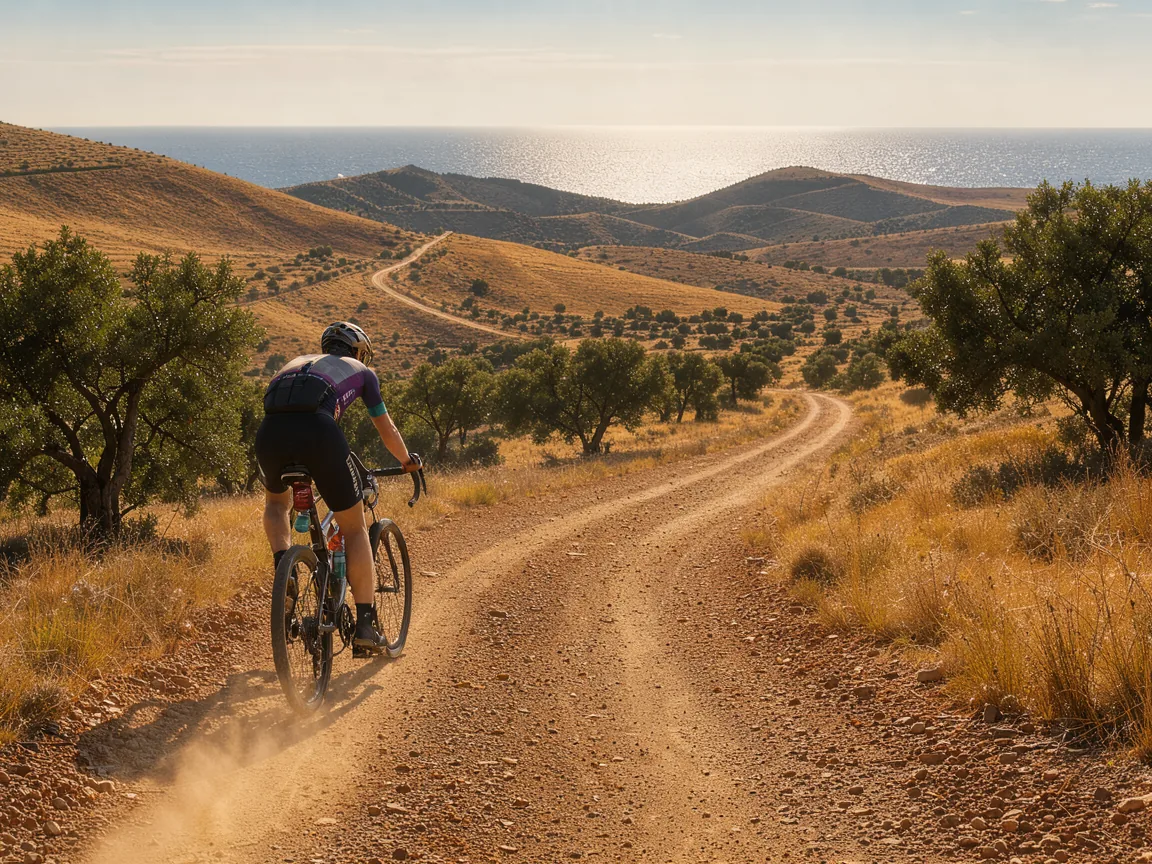
Girona is a name that resonates across the cycling world, yet while the paved climbs draw the crowds, the true adventure lies hidden in the dusty tracks, cork forests, and volcanic hills surrounding the city. This guide cuts through the noise to showcase the best gravel bike routes near Girona, ranging from accessible lake loops ideal for a quick escape to demanding mountain massifs that will test both your legs and your nerve. You’ll get more than just turn-by-turn directions—here, you’ll find practical logistics on starting points, honest terrain breakdowns so you know exactly what your tires are in for, navigation tips to keep you from losing your way in the wilderness, and seasonal advice to help you pick the perfect window for your ride. Whether you’re a seasoned rider chasing a challenge or a moderate fitness enthusiast looking to trade tarmac for texture, these routes are your ticket to experiencing the real Catalonia, one gravel crunch at a time.
Understanding the Girona Gravel Landscape
Terrain Types and What to Expect
Gravel riding around Girona is anything but dull. On a single loop, you might glide across wide, smooth farm tracks that roll easily beneath your wheels, then suddenly find yourself picking through narrow, rocky singletrack that demands razor-sharp focus. The volcanic hills to the north and the Pyrenean foothills to the west throw constant variety your way: packed limestone, loose shale over hard clay, and the occasional stretch of deep, dry sand near riverbeds. Paved connectors are inevitable—and often a relief—linking the choicest dirt through quiet villages and past medieval farmhouses.
Elevation shapes every serious ride here. Total gains can range from a gentle 500 meters on a relaxed, coffee-fueled spin to a grueling 2,000 meters on a full-day alpine epic. Climbs arrive in two forms: long, steady gradients that lull you into a rhythm for twenty minutes or more, and short, explosive pitches that spike past ten percent and yank you out of the saddle. Descending offers its own contrasts—fast, sweeping fire roads where confidence builds, and technical, rutted stretches where every line choice matters. Run tubeless with at least 40mm tires; the sharper volcanic rocks will punish anything thinner.
Route Planning Basics
Most classic gravel routes start directly from Girona’s old town, with Devesa Park acting as the unofficial launchpad. Its shaded paths and quick access to river bridges let you roll out car-free, and you can hit dirt within fifteen minutes—heading east toward the Gavarres massif or west toward the Selva basin.
Don’t count on signage. Most gravel tracks here are unmarked, weaving through private farmland, cork oak forests, and vineyards. A GPS device or offline maps on your phone are non-negotiable. Local cycling clubs share detailed GPX files, while Ride with GPS and Komoot brim with user-generated routes, regularly updated. Download several variations of your loop before leaving town; cell coverage vanishes quickly in the hills. Pack a spare battery, a basic repair kit, and at least two bottles of water—village fountains exist, but they often run dry in summer. Start early to dodge the heat and enjoy a quiet, dust-free ride before tractors and trail runners churn up the surface.
The Banyoles Lake Loop
Scenic Lakeside Gravel Sections
This classic circuit is the gateway drug to Girona’s gravel scene—a loop that feels both wild and civilized in equal measure. Circling the serene, turquoise waters of Lake Banyoles, the route strings together paved lakeside promenades, hard-packed gravel farm tracks, and shaded forested singletrack that dips and rises through cork oak and pine. The terrain is forgiving enough for a first gravel outing, yet the scenery is anything but tame: on the northern shore, the Pyrenees loom on the horizon, while the southern edge offers uninterrupted views across the lake’s glassy surface.
The total distance lands between 40 and 60 kilometers, depending on how many small detours you take to explore hidden coves or the medieval village of Porqueres. Elevation gain is modest—roughly 500 to 700 meters—spread across gentle rollers rather than any lung-busting climbs. You’ll spend most of your time on smooth, fast-rolling surfaces, with a few short, punchy sections of loose gravel that reward a confident line and a light touch on the bars. This is a route for building your gravel legs, not for testing your limits.
Practical Tips for the Loop
The biggest challenge here isn’t the riding—it’s the weekend crowds. Locals flock to the lake’s paved paths for their Sunday strolls, so set off early, ideally just after sunrise, to have the gravel stretches largely to yourself. The far side of the lake is blissfully quiet, but it’s also bare of services. Fill your bottles at the fountain in Banyoles town before you head out, and pack a couple of energy bars or a sandwich in your jersey pocket.
Pay attention to the weather forecast. The terrain is predominantly smooth, but the northern edge of the lake has a series of low-lying sections that turn into slick, clinging mud after rain. If the skies have been wet, either swap your tires for something with a bit more tread or plan to walk those short, sticky patches—it’s faster than cleaning mud out of your drivetrain. The loop is rideable year-round, but spring and autumn offer the ideal mix of cool temperatures and dry trails. For navigation, download a GPX file before you go; cell reception is patchy on the lake’s remote western shore.
The Gavarres Massif Network
Unpaved Tracks Between Girona and the Coast
The Gavarres hills rise quietly between Girona and the Costa Brava—a low, forested range hiding one of Catalonia’s most rewarding gravel networks. Forget the dramatic alpine passes of the Pyrenees; here, rolling, technical terrain rewards endurance and bike handling in equal measure. The unpaved tracks interlock so densely that you can stitch together rides from 60 to 120 kilometers without repeating a stretch of dirt. Elevation gain ranges from 1,000 to 2,000 meters, depending on how deep you venture.
The classic approach begins in Madremanya or La Bisbal d’Empordà, climbing through cork oak and pine forests on narrow, rocky farm tracks. Surfaces shift constantly—packed earth, loose gravel, embedded stone that demands focus. As altitude rises, the trees part to reveal ridgeline descents with sweeping views over the Empordà plain; on clear days, the Mediterranean glints beyond the coastal hills. These descents are the payoff: fast, flowy, usually empty. The final drop toward the coast lands you in quiet coves or the outskirts of Palamós, where a swim and a plate of seafood feel well-earned.
Navigating the Network
Don’t expect signage. The Gavarres network isn’t marked for gravel riders, and many junctions look ambiguous on the ground. Before rolling out, download GPS tracks from local cycling clubs or platforms like Wikiloc and Ride with GPS. Shops on Girona’s southern edge often share curated loops that dodge the worst hike-a-bike sections. Study elevation profiles carefully—some “roads” on older maps have degraded into rutted singletrack, better suited to a mountain bike unless you’re comfortable carrying your gravel rig.
Respect the land. Several tracks cross private farmland and pass through nature reserves protecting rare flora and fauna. Stick to established paths, close any gates you open, and yield to hikers and hunters, especially in autumn. The Gavarres are a working landscape, not a theme park, and locals welcome riders who leave no trace. Carry ample water—fountains are scarce once you leave the villages—plus a basic repair kit, since sharp limestone punishes poorly sealed tubeless setups. With proper preparation, this network delivers some of the most varied, self-reliant gravel riding in the region, far from the coast’s tourist crowds.
The Rocacorba Approach
The Iconic Climb and Its Gravel Access
Rocacorba resonates through cycling lore as one of Girona’s most celebrated paved ascents—a relentless, switchback-laced climb that winds to a hermitage perched at 992 meters. Yet for gravel riders, the true allure lies off the tarmac, in the labyrinth of dirt roads converging at its base. The summit road stays smooth and sealed, but the approaches from the surrounding valleys morph this classic into a mixed-surface epic. Start from Canet d’Adri to the west, or the quieter lanes near Sant Martí de Llémena to the east, and you’ll log 10 to 20 kilometers of gravel before your tires ever touch pavement. These routes thread through cork oak forests, cross dry riverbeds, and traverse exposed ridgelines where Mediterranean light paints the landscape in ochre and green. The full loop, circling back through the plains toward Girona, delivers a satisfying 80 to 100 kilometers with 1,500 to 2,000 meters of climbing. Patience pays off: the dirt never turns brutally technical, but it commands respect—especially after rain, when clay sections become slick.
Combining the Approach with the Summit
Set aside a full day; this ride resists rushing. The gravel turns rocky in stretches—loose limestone chunks and embedded cobbles rattle your hands and challenge your line choice. Wider tires, think 40 millimeters or more, with lower pressure, become your allies, offering the traction and comfort to keep your focus sharp for the paved switchbacks ahead. Once you hit the asphalt, the gradient surges to sustained double-digit percentages, and the real effort begins. At the summit, the small sanctuary of Santa Maria de Rocacorba crowns a panorama that ranks among the region’s most dramatic: the Pyrenees stretching north, La Garrotxa’s volcanic cones to the west, and the Mediterranean glinting on the horizon. But come ready—no facilities, no water fountains, no café await you there. Carry all your food and water from the start, and tuck an extra bottle into a jersey pocket for the descent back to the dirt. The payoff is a ride that feels both wild and deliberate, a complete circuit through the rugged heart of Catalonia’s gravel country.
Coastal Climbs and Inland Valleys
From the City to the Sea
These routes deliver a full sensory overload. One moment you’re pedaling past medieval stone walls on the edge of Girona; the next, you’re grinding up a rutted hillside with the Mediterranean glittering far below. The best loops stitch together the coastal massif of the Gavarres with the quieter inland valleys that funnel toward the sea. Expect a genuinely varied day out, with total distances ranging from 70 to 110 kilometers and cumulative elevation gains between 1,200 and 1,800 meters. Don’t let the moderate numbers fool you—the climbing is relentless, often steep, and the surface keeps you honest.
The terrain alternates in a pleasing rhythm. Long stretches of smooth, compacted gravel let you find a steady cadence, then short, rocky sections demand sharp attention and a light touch on the bars. These interruptions rarely last more than a few hundred meters, but they’re technical enough to keep you engaged. Between the gravel, you’ll encounter occasional paved transfers—short connectors through cork oak forests or along the base of vine-covered slopes. These tarmac links aren’t an annoyance; they’re a welcome chance to spin out the legs and regroup before the next dirt climb.
A signature loop starts from the edge of Girona’s old town, heads south toward the village of Llagostera, then climbs into the Gavarres via the Coll de la Ganga. From the summit, a fast, flowy descent drops you toward the coast near Sant Feliu de Guíxols, where you pick up a rugged track that hugs the cliffs before turning inland again through the valley of the Ridaura river. The final push back to the city rolls over gentle hills, with the last ten kilometers on smooth farm tracks that let you enjoy the fading light.
Wind and Weather Considerations
The coastal sections are gloriously scenic but brutally exposed. Afternoon sea breezes can turn a pleasant climb into a fight for every meter, especially on the ridgelines and open descents. Always check the wind forecast before rolling out, and plan your return leg so you’re not riding directly into a strengthening headwind for the final two hours. A smart approach: tackle the most exposed coastal parts in the morning, when winds are typically lighter, and save the sheltered inland valleys for later in the day. Spring and autumn are the sweet spots—stable temperatures, firm gravel, and fewer tourists on the narrow lanes. Summer rides are possible, but start before dawn to beat both the heat and the thermal winds that build by midday.
Volcanic Hills of the Interior
Riding the Extinct Volcanoes
Southwest of Girona, the landscape shifts from Mediterranean foothills into a rumpled, ancient terrain born of fire. This is the volcanic zone of La Garrotxa, where the roads—and more critically, the gravel tracks—roll over the remnants of extinct cones and the black, porous basalt they left behind. These aren’t the jagged, technical trails of the Pyrenees; they offer a different kind of challenge. Here, riding is defined by rhythm: long, sustained climbs grind up the flanks of dormant craters, then give way to fast, flowing descents across open, exposed hillsides. You’ll pedal over hardpacked lava fields, wind through cork oak forests, and trace the very rims of craters now blanketed in green—their volcanic origins betrayed only by the dark soil beneath your wheels.
The routes demand endurance and pacing more than technical prowess. Typical loops stretch from 50 to 90 kilometers, with elevation gains between 800 and 1,500 meters. Climbs are steady rather than steep, letting you find a comfortable gear and settle into a meditative grind. The payoff comes in the views: glancing back across the valley to see the series of volcanic cones you’ve just conquered, or peering down into a crater bowl that last erupted tens of thousands of years ago.
Route Characteristics and Logistics
This is classic gravel country. The terrain is predominantly hardpacked and fast, with occasional patches of smoother volcanic rock that roll well under a standard gravel bike with 40mm tires. A suspension fork isn’t necessary; this is a place for a rigid fork and efficient pedaling. But don’t mistake accessibility for ease—the total climbing is the real test.
Logistically, this zone demands self-sufficiency. Villages are sparse, and those you do pass are small, often with limited services. Never set out without extra water—at least two bottles, more on a hot day—and a comprehensive repair kit including spare tubes, a multi-tool, and a tire lever. The volcanic rock can be sharp on edges, so a plug kit or spare tire is a wise addition. Also, be mindful that many gravel tracks cross private farmland. The established, mapped paths are well-marked and respected; stick to these main routes to avoid trespassing and preserve the goodwill of local landowners. The riding is remote, quiet, and deeply rewarding—but it rewards the prepared.
Seasonal Riding and Gear Recommendations
Best Times to Ride
Girona’s Mediterranean climate cuts both ways for gravel riders. Summers bring fierce, dry heat that bakes clay-rich tracks into hard-packed ribbons, yet turns exposed climbs into radiant furnaces. Winters are mild but wet, turning the cork oak forests and volcanic terrain into slick, gripping mud baths. The ideal window is spring (April to June) and autumn (September to early November), when daytime temperatures sit comfortably between 15–22°C and trails hold moisture without becoming sludge. If July or August is your only option, start at dawn—by 9 a.m., the sun over the Gavarres massif can be punishing. In winter, don’t let overcast skies scare you off. Instead, prepare for inevitable mud and pack warm, breathable layers. A wet December ride through the Bas Valley, with mist curling over the river, is its own reward.
Essential Gear for Local Conditions
The terrain around Girona is deceptively varied. One moment you’re gliding on smooth, packed dirt along an old railway line; the next, you’re navigating loose, sharp stones on a Roman-era track. Your setup must match the landscape’s adaptability. Here’s what to bring:
- Gravel bike with tires 40mm or wider – Narrower rubber will punish you on rocky descents near Santa Pellaia and the root-strewn singletrack of the Rocacorba foothills. Go tubeless for peace of mind.
- GPS device with pre-loaded routes – Cell service vanishes in the deep valleys. A dedicated unit or a phone with offline maps is non-negotiable.
- Two bottle cages and a frame bag – Summer rides demand at least 2 liters of water; the frame bag carries snacks, a spare layer, and your phone.
- Lightweight rain jacket – Sudden afternoon showers are common in spring and autumn, even on sunny days. A packable shell weighs nothing and saves your ride.
- Basic repair kit with tubeless plugs and a mini pump – Flats are a matter of when, not if, on Girona’s flinty paths. Practice plugging a tire before you need to do it roadside.
For rentals or gear purchases in the city, expect to pay €35 to €75 per day for a quality gravel bike, and €15 to €40 per day for GPS rental from local shops.
Navigation, Safety, and Local Etiquette
Using GPS Files and Local Resources
Most gravel routes near Girona aren’t officially signposted, so your best bet is GPS files from local cycling clubs or online route-sharing platforms. Make sure to download maps for offline use—the terrain here is a shifting patchwork of ancient farm tracks, riverbeds, and forest paths that change with the agricultural calendar. A route that’s perfectly mapped in spring might be a plowed field by autumn. Before heading out, check community forums or the cycling club’s social channels for updates, since farmers frequently reroute access lanes or move livestock to new pastures. In Girona city, bike shops near the Old Town often sell printed route cards or point you to downloadable GPX tracks for a small fee—expect to pay €2 to €8 per card if you want a physical backup. For navigation, pair a reliable GPS unit with a smartphone app that stores topographical maps; cellular coverage fades quickly once you climb into the Gavarres or the volcanic hills west of the city.
Respecting Land Access and Safety
Some sections cross private farmland or nature reserves, so obey all posted signs and avoid restricted paths, even if a trail looks rideable. Local landowners are generally tolerant of cyclists who respect boundaries, but one incident can close a route for everyone. Leave gates exactly as you find them, never ride through standing crops, and don’t disturb livestock. Ride in small groups—ideally no more than six riders—to minimize your footprint and keep noise down in quiet rural areas. Carry a first-aid kit, a spare tube, and a multi-tool, as help can be over an hour away on remote tracks. Always tell someone your planned route and expected return time, and check the weather forecast; the tramontana wind can turn a pleasant descent into a dangerous crosswind within minutes. When passing hikers or horse riders, slow to walking pace and announce yourself politely—a friendly bon dia goes a long way. Finally, pack out all trash, including gel wrappers and punctured tubes, and avoid riding on saturated clay paths after heavy rain, as you’ll leave deep ruts that damage the trail for weeks.
Girona’s gravel network is more than a collection of trails—it’s a living map of contrasts. Lake loops, mountain massifs, and coastal climbs converge to test both legs and judgment. The real reward isn’t conquering a single route; it’s learning to read the terrain. Know when to push on a fireroad, when to walk a steep, rocky descent, and how to leave no trace on fragile Mediterranean soils. With careful planning—checking weather, carrying extra water, respecting private land—every outing becomes a conversation with the landscape. So pick one route from this guide, load your frame bag, and let the gravel pull you beyond the city limits. The next unforgettable turn is already waiting.
Frequently asked questions
What makes Girona a top destination for gravel riding?
Girona sits at the crossroads of the Pyrenees foothills, the volcanic zone of La Garrotxa, and the Mediterranean coast, offering a huge variety of surfaces within a short ride from town. The region’s dense network of unpaved farm tracks, ancient hermitage trails, and quiet forest roads lets you link long gravel sections without repeating the same route twice.
Which is the best all-around gravel route for a first-time visitor?
The classic ‘Girona–Sant Daniel–Els Angels–Madremanya’ loop is a perfect introduction, covering about 60–70 km with a mix of smooth gravel climbs, rolling cork-oak singletrack, and fast descents. It offers sweeping views of the Gavarres hills and finishes with a gentle ride back through medieval villages, making it ideal for a half-day adventure.
Are there any gravel routes that avoid steep climbs for beginners?
Yes, the flat route along the Ter River from Girona to Campllong and back uses wide, well-packed gravel levees and farm lanes with almost no elevation gain. It’s roughly 40–50 km round-trip, perfect for building confidence, and you can extend it toward the wetlands of the Aiguamolls de l’Empordà if you want more distance.
What is the most scenic gravel route near Girona for experienced riders?
The ‘Rocacorba–Banyoles–La Garrotxa’ loop is a demanding 90–110 km epic that climbs the iconic Rocacorba summit on rugged gravel, then drops into the volcanic craters and beech forests of La Garrotxa. You’ll ride past the volcanic lakes of Banyoles and Santa Margarida, with technical descents and punchy climbs that reward strong legs and good bike handling.
Can you recommend a gravel route that includes a swim or lunch stop?
The ‘Llagostera–Tossa de Mar’ route descends from the Gavarres to the Costa Brava, ending at the beach town of Tossa, where you can swim or eat at a seaside restaurant. The out-and-back is about 50–60 km each way, with a mix of rutted forest tracks and smooth coastal gravel, and the return climb is challenging but rewarding.
What is the best gravel route for exploring medieval villages?
The ‘Peratallada–Pals–Begur’ loop in the Baix Empordà region strings together several stone-walled villages, using quiet gravel paths through vineyards and olive groves. The route is about 70–80 km with moderate rolling hills, and you can stop for tapas in Peratallada or coffee in Pals before finishing near the coast.
Are there any gravel routes that are suitable for a full day (100+ km)?
The ‘Girona–Les Gavarres–Calonge–Girona’ big loop is a 120–140 km challenge that circles the entire Gavarres massif, mixing long gravel ridge lines with technical descents into coastal valleys. It’s best done with a GPS file and plenty of food, as services are sparse in the middle section, and you’ll gain over 2,000 meters of elevation.
What should I know about trail conditions and seasonal access on Girona gravel routes?
Most routes are rideable year-round, but the clay-heavy tracks in La Garrotxa and the Gavarres become very slick and rutted after heavy rain, so check the forecast before heading out. In summer, the coastal routes can be scorching and busy, so start early; in winter, some high Pyrenean tracks may have snow or ice, but the lowland loops remain clear.
How do I find and navigate these gravel routes without getting lost?
Local bike shops and online ride-sharing platforms (like Komoot or Ride with GPS) have well-marked GPX files for most of these loops, often labeled with difficulty and surface type. Carry a GPS device or a phone with offline maps, as cell coverage is patchy in the Gavarres and La Garrotxa, and always download the route before you leave.
What is the typical cost for a guided gravel tour or bike rental in the Girona area?
A full-day guided gravel tour with lunch typically ranges from 90 to 150 euros per person, while a quality gravel bike rental runs from 40 to 80 euros per day depending on the frame and groupset. Many shops offer multi-day packages that include maps, support, and luggage transfer, which can bring the per-day cost down to 120–200 euros.