Pedal Through Girona’s Hidden Countryside on a Guided Gravel Adventure
Discover Girona’s hidden countryside on a guided gravel tour—rugged trails, medieval villages, and scenic climbs for every rider.
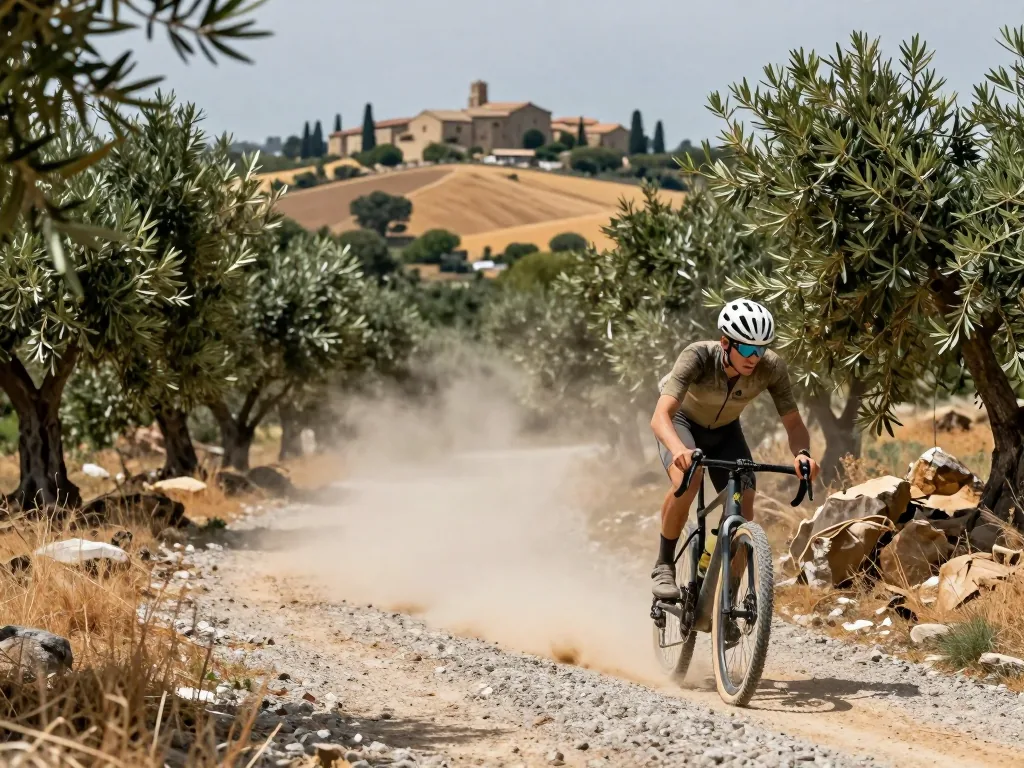
Forget the crowded streets and tourist-packed landmarks—the real Girona unfolds on rugged gravel paths through cork oak forests, sleepy stone villages, and vineyard-draped hillsides. This guide covers everything you need to plan and enjoy a guided gravel tour through this hidden countryside, from fitness questions and bike choice to advanced logistics like route selection and support services. You’ll get an insider’s view of the terrain, each village’s character, the best riding seasons, and exactly what to pack, so nothing catches you off guard. Whether you’re a weekend spinner or a seasoned endurance rider, this breakdown helps you choose the right full-service package and arrive confident. By the end, you’ll know precisely what to expect—and how to make every pedal stroke count.
Understanding the Girona Gravel Landscape
Terrain, Elevation, and Surface Types
The countryside around Girona isn’t one uniform playground. It’s a patchwork of distinct ecosystems that shift dramatically within a single ride. Your guided loops weave through rolling hills cloaked in fragrant cork oak forests, where dappled light filters through the canopy and the air smells of earth and resin. Then the landscape opens into broad agricultural plains—long horizons, straight farm tracks, fast riding. Daily elevation gains vary just as much. A relaxed, valley-focused loop might total 500 meters; push into the steeper Pyrenees foothills and you’re looking at 1,200. The surface under your tires keeps things interesting. Most of the time you’ll ride packed dirt farm tracks with excellent grip and speed. But expect rocky, rutted gravel sections too, especially on descents or after rain has carved channels into the path. Those demand focus and a steady hand. For relief, the route often stitches in short stretches of the Ruta del Carrilet—a converted rail trail with smooth, perfectly graded gravel, ideal for spinning your legs and soaking in the scenery. There’s no single official “Girona Gravel Route.” The magic comes from your guides’ local knowledge, connecting traditional farm tracks, hidden forest paths, and quiet secondary paved roads you’d never find on a standard map.
Climate and Best Riding Windows
Girona’s Mediterranean climate sets the riding calendar. Summers run hot and dry, with average highs near 30°C (86°F). Mornings are manageable, but by midday the exposed plains turn relentlessly hot. The sweet spot? Spring and autumn, without question. From April through June, the landscape is lush and green, wildflowers line the tracks, and temperatures sit comfortably in the high teens to low twenties. September and October offer a second golden window: warm, settled weather plus the grape harvest in full swing. Trails are at their best then—firm, fast, less dusty. Rain changes everything. A downpour turns the region’s clay-heavy gravel into a slick, rutted mess that clings to tires and tests your bike-handling skills. Check the forecast before heading out, and pack a lightweight waterproof layer. Conditions can shift quickly when clouds roll in off the coast.
Planning Your First Guided Gravel Tour
Fitness, Experience, and Bike Requirements
Before committing to a guided gravel adventure through Girona’s countryside, be honest about your fitness and technical comfort. This tour suits leisure and intermediate gravel cyclists—not racers, but riders who can handle multiple days in the saddle. Daily climbs range from 500 to 1,200 meters, often over loose, rocky tracks that snake through cork oak forests and into the Pyrenees’ foothills. You’ll want confidence descending on gravel, managing washboard sections, and keeping momentum on uneven terrain. Resupply points sit 30 to 50 kilometers apart, so two bottles and emergency calories are non-negotiable. For the bike, a gravel rig with at least 40mm tires is strongly recommended—anything narrower will punish you on sharp volcanic stones and exposed roots. Compact gearing (a 46/30 crankset with an 11-34 cassette or wider) will spare your legs on the steep, switchback climbs that define the region’s back roads. If your bike is older or you’re unsure, most guiding companies rent high-quality gravel bikes, saving you the hassle of traveling with your own frame.
What to Expect from a Guided Package
A guided package removes logistical guesswork, letting you focus on riding. Standard inclusions cover a support vehicle or luggage transfer between overnight stops, daily GPX route files for your head unit, and stays in rural guesthouses or family-run hotels—think stone farmhouses with hearty Catalan breakfasts, not chain properties. Full-service packages typically run €150 to €350 per person per day, depending on group size, accommodation level, and whether dinners and wine are included. Smaller groups of four to six often pay more for personalized attention, while larger groups trim costs. Prefer independence? Self-supported options exist: same curated routes and luggage transfer, but you’ll carry your own repair kit, snacks, and layers, and arrange meals yourself. This hybrid suits experienced riders wanting route security without a guide’s constant presence. Either way, you’ll ride the same hidden valleys, medieval villages, and quiet gravel lanes that make Girona world-class—just with the safety net that fits your comfort.
The Route: Key Villages and Daily Highlights
Classic Loop from Girona City
Most guided gravel adventures start and end in Girona, a city linked by the AVE and Renfe train network and set roughly 100 kilometers northeast of Barcelona. That accessibility makes it a perfect base for a multi-day loop across varied terrain. From the medieval core, the route heads north toward Banyoles, skirting the shore of Catalonia’s largest natural lake. The gravel rolls easily here, threading through cork oak groves and past timeless farmhouses. Next comes Besalú, where a Romanesque stone bridge and Jewish quarter anchor a lunch stop straight out of the 11th century. The ride then pushes into the Garrotxa Volcanic Zone, with Santa Pau as the gateway. Terrain shifts—volcanic basalt under tire, ancient lava flows shaping the land. From Santa Pau, the route curves south to Peratallada, a walled village of narrow alleys that reward a slow pace. The final stretch back to Girona follows farm tracks and quiet lanes, past sunflowers and olive trees, until the cathedral rises on the horizon—a gentle reward.
Daily Distance and Resupply Strategy
Daily distances range from 50 to 90 kilometers, depending on pace and route variant. Most villages have a bar or small shop for refills and snacks, but remote stretches demand planning. Your guide briefs you each morning on resupply points; a few ground rules keep things smooth:
- Carry a refillable bottle and snack stash for remote legs—especially between Santa Pau and Peratallada, where services thin out for 30 to 50 kilometers.
- Check village opening hours; small shops often close for lunch from 1:30 PM to 4:30 PM, which can leave you stranded mid-afternoon.
- Use the support vehicle for extra water on full-service tours, particularly during long, hot climbs.
- Download offline maps or GPX files before leaving Wi-Fi range; mobile coverage drops in the volcanic zone and rural valleys.
Aim for at least 1.5 liters of water on any leg over 30 kilometers without a village, and the riding stays comfortable rather than stressful.
Gastronomy and Cultural Stops Along the Way
Local Food and Wine Experiences
The Girona countryside is a quiet heavyweight in Catalan gastronomy, and a gravel tour offers the perfect excuse to indulge without guilt. Family-run restaurants and rural guesthouses dot the rolling hills, serving hearty regional dishes that reflect the land: wood-fired grilled meats, charred seasonal vegetables, and dense, pungent local cheeses that pair naturally with crusty bread. Many guided tours build their routes around these culinary anchors. Lunch at a restored farmhouse or a wine tasting at a small, family-owned vineyard are common, though not always automatic inclusions. These are optional add-ons, typically arranged at an extra cost and confirmed when you book. Expect to pay €25 to €45 per person for a farmhouse lunch with wine, and €15 to €30 per person for a vineyard visit with a guided tasting of three to five local vintages. The beauty of these stops lies in their simplicity: a shaded terrace, a bottle of Garnatxa or Samsó, and a plate of cured meats that tastes infinitely better after thirty kilometres of gravel. As one seasoned rider put it, “The best part of a gravel tour is that you earn your meal — a long climb makes the local sausage and bread taste twice as good.” Don’t be shy about asking your guide to recommend a lesser-known cellar; the region thrives on small producers who rarely appear in guidebooks.
Medieval Villages and Historical Sights
Beyond the food, the route threads through some of Catalonia’s most evocative medieval settlements. Besalú greets you with its iconic Romanesque bridge, a fortified stone crossing that has stood for centuries, and its well-preserved Jewish quarter offers a glimpse into a thriving medieval community. Further south, Santa Pau rises from the volcanic landscape, its buildings constructed from dark basalt stone that gives the village a brooding, timeless character. Peratallada, with its encircling defensive walls and narrow, cobbled lanes, feels almost suspended in time. Your guide will pause at these landmarks to share historical context — the story of a count, the purpose of a watchtower, the reason behind a peculiar archway — and allow short windows for you to stretch your legs and snap a few photos. But the focus remains squarely on the ride. These are pedal-through moments, not museum visits. If you want to linger over a Romanesque cloister or wander the ramparts at leisure, plan a separate rest day or extend your trip; on a gravel tour, the horizon is always calling. Keep sightseeing brief, let the guide set the pace, and you’ll cover more ground while still absorbing the deep, layered history that makes this corner of Girona so compelling.
Advanced Considerations for a Smooth Tour
Navigation, Support, and Safety Logistics
Your guide knows every twist of the trail, but don’t rely solely on someone else’s sense of direction. Most reputable operators provide GPX files before departure. Still, carrying your own navigation device—or a phone loaded with offline maps—offers independence and peace of mind, especially if you drift behind the group or pause for photographs. The support vehicle is a genuine safety net: it transfers luggage between overnight stops and can swoop in for mechanical emergencies beyond a quick fix. Yet it’s not a magic wand. Know how to patch a tube and carry a basic repair kit—tyre levers, a spare inner tube, a multi-tool, and a mini pump. The route’s secondary paved roads are gloriously quiet, but the gravel segments demand respect. After rain, those tracks turn rocky, rutted, and slick. On descents, sit back, keep your weight low, feather the brakes, and scan ahead for loose stones or deep channels. A cautious approach here isn’t timid; it’s intelligent riding.
Booking, Pricing, and Customization Options
Full-service guided tours in this region typically cost €150 to €350 per person per day, depending on group size, accommodation category, and included meals. Before committing, ask pointed questions. Clarify the group size limit—smaller groups, often capped at six to eight riders, mean far more personalized attention. Confirm whether rental bikes are in the price or if you should bring your own. Check if a support vehicle accompanies you daily or merely handles luggage transfers. Request a sample itinerary to review climbing and distance profiles in advance—you don’t want surprises on day three. Less experienced? Ask about rest days or shorter loops that skip the hardest climbs. For a tailored experience, custom tours can adjust daily distances or weave in extra rest days in charming villages like Banyoles or Besalú. Just note that bespoke arrangements usually push the per-day cost upward, so weigh that flexibility against your budget.
Conclusion
A guided gravel tour through Girona’s hidden countryside offers more than just a ride. It’s your chance to swap crowded roads for quiet lanes, Romanesque ruins, and vineyard horizons—without worrying about navigation or logistics. With the right bike, a realistic fitness level, and a package that fits your budget, you’ll enjoy a seamless mix of scenic routes, medieval charm, and local flavors that self-guided trips rarely match. The next step is easy: choose an operator that suits your pace, confirm your bike fit, and book a date with room to savor every moment. Whether you’re a seasoned gravel rider or a curious roadie, the countryside is calling. Start planning, pack your gear, and let Girona’s hidden paths become your next favorite story.
Frequently asked questions
What exactly is a guided gravel tour through the Girona countryside?
It’s a small-group cycling excursion on gravel bikes that follows unpaved farm tracks, forest trails, and quiet back roads through the hills and plains around Girona. A local guide leads the route, shares insights about the landscape and history, and paces the group to suit everyone’s ability.
Do I need to be a highly experienced cyclist to join?
No, you just need to be comfortable riding a bike for 3 to 5 hours on mixed terrain with some rolling climbs. A moderate level of fitness is enough, as the guide can shorten or adjust the route based on the group’s condition on the day.
What kind of bike is required, and can I rent one?
You should use a gravel bike, cyclocross bike, or a mountain bike with smooth-ish tires; a standard road bike is not suitable. Rental bikes are available from the tour operator, and they include a helmet, spare tubes, and a basic repair kit in the rental price.
What should I bring with me on the tour?
Bring a water bottle (or two), light layers for changing weather, sunscreen, and a small snack like a bar or fruit. The guide carries a first-aid kit and extra tools, but you should have your own phone and a basic ID for safety.
How long does the tour last, and what distance do we cover?
Most tours last between 4 and 6 hours including breaks, covering roughly 40 to 70 kilometers depending on the route and the group’s pace. The guide plans a lunch stop at a local village or farmhouse, so expect a relaxed, not rushed, day.
What is the typical terrain and scenery like on the route?
You’ll ride on a mix of hard-packed gravel, dirt paths, and short sections of paved lane, passing olive groves, vineyards, cork oak forests, and medieval stone villages. The views include the Pyrenees to the north and the Mediterranean coast to the east, with frequent photo-worthy panoramas.
Are meals and drinks included in the tour price?
The tour fee generally covers guiding, bike rental (if you choose it), and a supported van for luggage, but not meals. A typical lunch at a local restaurant costs between 15 and 25 euros, and you can also buy drinks and snacks at the stop.
What happens if the weather is bad on the day of the tour?
The guide will check the forecast and may adjust the route to avoid the worst conditions, such as heavy mud or thunderstorms. If the tour is cancelled due to unsafe weather, you’ll receive a full refund or the option to reschedule to another day.
Can I join as a solo traveler, or is it only for groups?
Solo travelers are welcome and often make up half the group, as the tour is a social experience. The group size is capped at 8 people, so you’ll get personal attention from the guide and a chance to meet other cyclists.
How do I book, and what is the price range for the tour?
You can book online through the tour operator’s website, and it’s best to reserve at least a few days in advance, especially in peak season. The price for the guided tour with bike rental ranges from 90 to 160 euros per person, depending on the route length and whether lunch is arranged separately.