Gravel Riding in the Empordà: Your Ultimate Guide to the Costa Brava's Hidden Trails
Discover gravel riding in the Empordà: hidden Costa Brava trails, rugged climbs, and coastal views. Your ultimate route guide awaits.
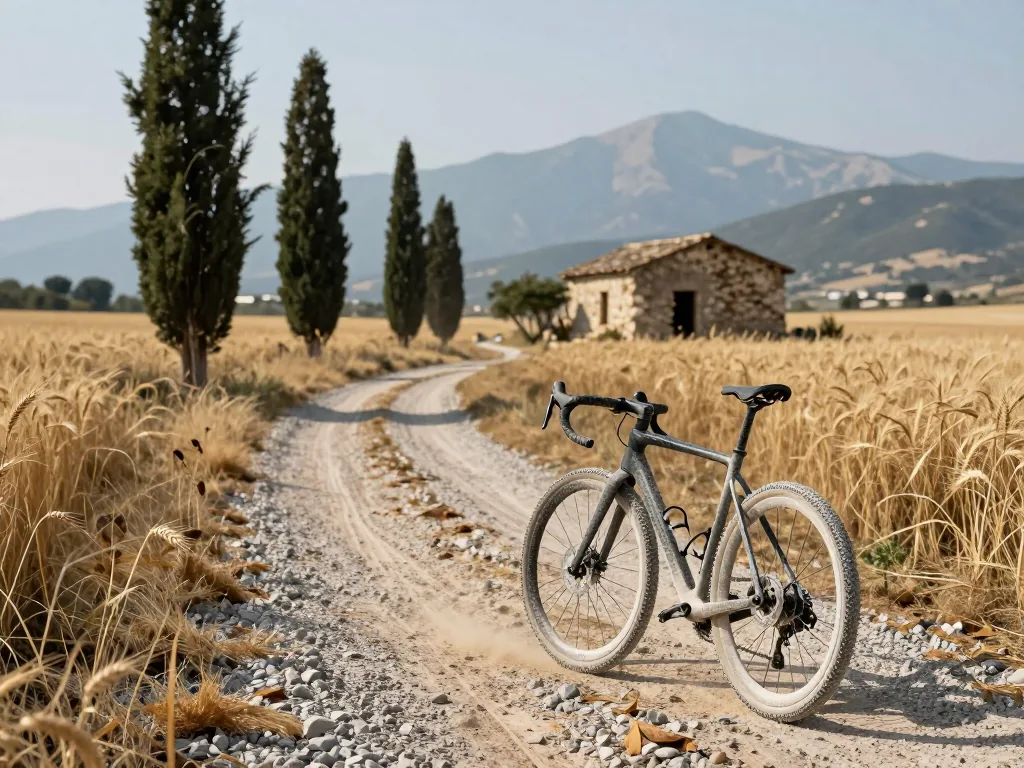
Picture this: you’re pedaling from the rugged cliffs of the Costa Brava into rolling vineyards and medieval villages, where every turn reveals a landscape untouched by mass tourism. This guide unlocks those hidden trails, whether you dream of a self-supported expedition or a lightly supported escape. We’ve packed in route logistics, bike setup, navigation, weather patterns, and local culture—everything you need to plan the perfect trip. Newcomers get straightforward advice; seasoned riders find deeper insights for conquering rugged coastal climbs and dusty inland paths. Discover why the Empordà is one of Europe’s most rewarding—and overlooked—gravel destinations.
Understanding the Empordà Terrain and Climate
The Lay of the Land: Plains, Hills, and Mountain Tracks
The Empordà is a land of stark contrasts—nowhere more so than beneath your wheels. This corner of Catalonia splits into two distinct personalities. To the south, the Baix Empordà unfolds as a vast, pancake-flat agricultural plain. Sunflower and corn fields stretch toward the sea, and gravel riding here is all about rhythm: long, straight farm tracks slicing through a patchwork of crops, the Mediterranean shimmering on the horizon. It’s fast, forgiving terrain, ideal for building confidence or spinning out the legs on a recovery day.
Cross an invisible line northward, and the Alt Empordà rises to meet you. The landscape swells into rolling hills, then erupts into the rocky foothills of the Albera and Gavarres ranges. These tracks separate casual riders from those who earn their descent. Expect steep, punchy climbs over loose granite, where traction is a luxury and your lowest gear becomes your best friend. The surface is a constant surprise: one moment smooth, hard-packed dirt that feels like pavement; the next, ancient cobbled mule paths, laid centuries ago and worn smooth by hooves and time. Then there are the dry riverbeds—the rieras—which flash-flood in spring but sit bone-dry by summer, offering a technical playground of sand, exposed rock, and embedded stones. These tracks demand respect; they reward the attentive with some of the most remote and beautiful riding in the region.
The Tramontana Wind and Seasonal Riding Windows
One force governs everything in the Empordà: the tramontana. This wind howls down from the north and northwest, funnelled between the Pyrenees and the sea, and it does not ask permission. In winter and spring, it can be relentless, slamming into you with sudden, violent gusts that turn a straight line on an open plain into a battle. On exposed coastal sections, it can literally stop you in your tracks. The trick is not to fight it blindly. Study the forecast, then plan your route so the wind sits at your back on the long, exposed stretches, saving the sheltered forest tracks for when you must ride into it.
Timing your trip is everything. Autumn and early summer are the sweet spots, when the tramontana slackens and temperatures stay moderate. Midsummer, by contrast, turns the plains into a furnace; the sun is unforgiving, and the shade of the Gavarres pines becomes a lifeline. If you ride then, start at dawn, carry more water than you think you need, and plan refuelling stops around the region’s small villages, where fountains still run cold and fresh. The terrain will test your skill, but the climate will test your patience—master both, and the Empordà rewards you with rides you will never forget.
Planning Your Multi-Day Route and Logistics
Choosing Your Start and End Points
Figueres is the most practical gateway for international riders, thanks to its high-speed rail link. Coastal towns like Roses, Cadaqués, or Sant Pere Pescador make scenic overnight stops. For a week-long loop, ride clockwise from Figueres through the Cap de Creus, follow the coast down to Begur and Pals, then cut inland via La Bisbal d’Empordà and return across the plains.
Daily Distances, Elevation, and Resupply Strategy
Plan for 60 to 90 kilometers daily, with 800 to 1,500 meters of climbing, depending on whether you stay on the flats or take on mountain sections. The Empordà’s interior is fast and forgiving, but the real gravel rewards—and effort—lie in the coastal hills and the Cap de Creus peninsula. A clockwise loop from Figueres lets you ease in: rolling farmland first, rugged coastline while your legs are fresh, and gentler inland tracks to finish.
- Carry at least 1.5 liters of water per person on coastal and mountain days. Sources are scarce; most villages have fountains, but between them you’ll face long, exposed, dry stretches with no refill options.
- Stock up on food in larger towns like Figueres, Roses, or Palafrugell. Remote sections have no services, but these towns boast proper supermarkets and bakeries, so you can pack fresh supplies instead of relying solely on energy bars.
- Reach your overnight town by mid-afternoon to leave time for laundry, bike maintenance, and dinner. Many small guesthouses and campsites keep limited hours, and arriving late may mean missing the only meal service available.
Download offline maps before you leave—mobile reception is patchy along the coast and inside the Cap de Creus natural park. A GPS unit or a securely mounted phone will save you from wrong turns on the maze of farm tracks crisscrossing the plains. Budget €50 to €120 per night for a double room in guesthouses, or €10 to €25 per person for campsites.
Essential Bike Setup and Gear for Empordà Gravel
Tire Width, Gearing, and Suspension Choices
The Empordà’s gravel routes are a study in contrasts—smooth, hardpacked farm tracks one moment, then loose, rocky climbs through the Gavarres the next. A gravel bike with 40 to 45 millimeter tires hits the sweet spot. At 40 millimeters, you’ll roll fast on the flat coastal stretches toward Sant Martí d’Empúries; at 45, you gain the traction and puncture resistance needed for the sharp schist edges of Cap de Creus. Anything narrower is a mistake—the frequent washboard sections will rattle your hands and kill your momentum.
Gearing trips up many riders. The climbs here—especially the relentless ramps out of Cadaqués and the forested switchbacks of the Gavarres—demand a compact crankset (46/30 or 48/32) paired with a wide-range cassette (11-34 or wider). A 1x setup with a 40-tooth chainring and a 10-50 cassette also works, giving you the low end to spin up loose gradients without grinding. Skip the full mountain bike fork. A suspension stem with 20 to 30 millimeters of travel, or a lightweight gravel fork with 40 millimeters, tames the worst of the corrugated farm roads while keeping the bike nimble for technical descents into the plains.
Packing for Self-Supported Riding
Once you leave the tarmac near La Bisbal d’Empordà, bike shops vanish. The remote interior tracks between the Aiguamolls de l’Empordà and the foothills of the Albera range are stunning, but unforgiving. Pack light, yet complete. Your repair kit should include tubeless plugs, a spare tube, tire levers, a multi-tool with chain breaker, two quick-link chain links, and a mini pump or CO2 inflator. Tubeless sealant is essential—the region’s limestone dust and flint shards will find any weak point in your tires. A small first-aid kit with antiseptic wipes, bandages, and blister treatment is non-negotiable, especially on long summer days when heat exhaustion is a real risk.
Never rely solely on your GPS. The Empordà’s network of ancient Roman roads and modern irrigation tracks can confuse even seasoned navigators. Carry a paper map of the region as a backup, ideally at a 1:50,000 scale, showing the gravel paths that cut through the vineyards and olive groves. A simple handlebar bag or frame pack holds all of this without weighing you down. Remember: the ride is about the landscape, not the luggage.
Navigating the Cap de Creus and Coastal Trails
The Rugged East: Routes, Exposure, and Safety
The Cap de Creus Natural Park is the crown jewel of Empordà gravel riding—and it demands respect. This is no place for casual spins. It’s a raw, wind-scoured peninsula where the Pyrenees collide with the sea in a chaos of pink granite and twisted junipers. The riding here is spectacular and punishing in equal measure. Expect exposed, rocky singletrack that snakes along cliff edges, punctuated by steep, punchy climbs that will have you grinding in your easiest gear. The rewards, though, are immense: 360-degree views over the deep-blue Mediterranean, hidden coves reachable only by bike or foot, and the iconic lighthouse at the cape itself.
But this beauty is unforgiving. There’s no shade, no natural water source. The sun bounces off the pale rock, and the tramontana wind can whip through the coves with terrifying force. Ride early in the morning, when the light is golden and the wind is typically calmer. Carry more food and water than you think you need—at least two litres per person—and be brutally honest about your technical ability. The most technical descents, particularly those dropping towards Cala Culip or the lighthouse approach, often become hike-a-bike sections, even for experienced riders. No shame in walking; it’s part of the experience. A gravel bike with wide tyres and a low gear range is essential, and a GPS device with a pre-loaded track is non-negotiable—trail markers are sparse, and the landscape can disorient.
The Wetlands and River Valleys: Flat and Windy Alternatives
For a complete contrast, head inland to the Aiguamolls de l’Empordà Natural Park. This is a flat, watery world of canals, lagoons, and salt marshes. The riding is fast and flowy, along hard-packed dirt levees that cut straight across the landscape. It’s the perfect recovery day after the exertions of Cap de Creus, or a quick way to transfer between the coastal towns of Roses and Sant Pere Pescador. Be warned: this flat terrain offers no shelter from the wind. When the tramontana blows, it howls across these plains, turning a simple ride into a battle against the elements.
When the wind becomes too much—or if you’re seeking gentler terrain for beginners—retreat to the river valleys. The Fluvià and Ter rivers are lined with sheltered, tree-lined tracks that weave through poplar groves and agricultural land. Mostly flat, naturally shaded, and a joy to ride, these paths suit those new to gravel, a relaxed family outing, or a day when the coast is simply too wild. They offer a different, quieter beauty: the sound of birdsong and rustling leaves instead of crashing waves.
Food, Culture, and Practical Etiquette on the Road
Local Gastronomy and Where to Refuel
The Baix Empordà is a landscape of culinary devotion. Its flat, marshy plains give way to rice paddies that yield some of Catalonia’s most celebrated dishes. A proper arròs de Pals—slow-cooked with rabbit, snails, and local vegetables—is worth planning a ride around. Along the coast, villages like L’Estartit and Cadaqués serve daily catches of anchovies, squid, and rockfish, often simply grilled with olive oil and sea salt. Inland, the Empordà DO wine region drapes the rolling hills with Grenache, Carignan, and a crisp, mineral-driven white from the Xarel·lo grape, a perfect match for a post-ride plate of local cheeses.
For a long lunch, pull off the gravel and settle into a village square in Pals, Begur, or Torroella de Montgrí. These towns anchor the region’s gastronomy, with family-run restaurants offering multi-course menús del dia that feel decadent after a morning of climbing. Prefer a self-catered picnic? Time your ride to pass through Figueres or La Bisbal d’Empordà on market days. Stock up on pa amb tomàquet fixings, cured llonganissa, and ripe peaches, then find a shaded spot beside a dry-stone wall. On remote mountain stretches in the Gavarres or Albera ranges, pack dried fruit, almonds, and dense energy bars—the climbs are long, services sparse. Expect to pay from €12 to €25 per menu, and from €3 to €8 per bottle of local wine at a shop.
Riding Responsibly: Trail Etiquette and Interaction with Locals
These gravel routes weave through a working agricultural landscape, not a theme park. Most tracks are public farm roads or ancient camins rals, yet they cut directly through private orchards, vineyards, and cattle pastures. Respect the land: close every gate behind you, even if you found it open, and never cut across planted fields to shortcut a switchback. Yield generously to hikers and trail runners, and give farmers on tractors a wide, patient berth—they often haul heavy loads and cannot stop quickly.
A simple bon dia or hola goes a long way. Locals in the Empordà are used to cyclists, but they appreciate effort in their own language. When you encounter livestock, dismount or slow to a walking pace; sheep and cows spook easily, and a startled herd can block the track for a kilometre. Be especially cautious on narrow lanes during harvest season, when tractors and trailers may appear around blind corners. Stop, pull to the side, and let them pass—your patience is the price of access to these hidden trails.
Advanced Considerations for Experienced Riders
Route Customization, Bikepacking, and Light Support Options
Once you’ve logged serious miles on the region’s classic loops, the Empordà reveals a deeper layer of adventure when you stitch together its distinct geological personalities. The most rewarding challenge links the windswept granite moonscape of the Cap de Creus peninsula with the forested, steeply folded hills of the Gavarres range to the south. This multi-day epic—roughly 120 to 150 kilometers depending on your exact line—demands a genuine 2,000 meters of climbing per day, with punchy, technical ascents that reward precise line choice and a low gear. Expect loose granite sand on the descents near the cape and slick, root-laced singletrack through cork oak groves in the Gavarres.
If carrying your own kit feels like a drag, a lightly supported option is the way to go. Arrange for a vehicle to shuttle your overnight bags between the charming inland villages of Palamós, Monells, and La Bisbal d’Empordà. This frees you to ride unloaded, with nothing more than a hip pack, water, and a spare tube. Bikepacking is entirely feasible with minimal gear: most villages have public fountains with potable water and small grocery stores (often closed between 1:30 PM and 5:00 PM, and frequently shut on Sunday afternoons). Always confirm opening hours in advance, as rural shopkeepers keep their own schedules.
Dealing with Emergencies and Remote Breakdowns
The wild beauty of this terrain comes with a caveat: cell coverage is patchy at best in the mountains and along the exposed coastal cliffs. Download offline maps for the entire region before you leave home, and if you ride solo in the more remote stretches, carry a personal locator beacon. It is not paranoia; it is the difference between a minor inconvenience and a serious ordeal.
For mechanical failures beyond your repair kit—a snapped chain, a cracked derailleur hanger, or a broken spoke—accept that you may need to walk. The good news is that the N-II and AP-7 corridors run parallel to the coast and inland valleys, meaning you are never more than a few kilometers from a paved road. Hitching a ride with a local farmer in a battered pickup is often the quickest, most reliable solution; the people here are famously hospitable to stranded cyclists. Carry cash (from €10 to €20) to offer for the ride, though most will wave it off.
Conclusion
Plan around the wind, water, and terrain, and the Empordà becomes a world-class gravel playground. Every pedal stroke rewards you with sweeping coastal views, silent inland trails, and the deep, savory rhythm of Catalan life. Chase the tramontana along the cliffs, or lose yourself among olive groves and medieval villages—each route feels like a secret earned. The next step is simple: pick a morning with a light breeze, pack extra water and a spare tube, and roll out from a charming town with a map in your pocket and curiosity in your legs. These hidden trails aren’t for conquering. They’re for riding slowly, attentively, and often. Go find your line through the Empordà.
Frequently asked questions
What makes the Empordà region ideal for gravel riding?
The Empordà offers a diverse mix of flat agricultural plains, rolling hills, and the foothills of the Pyrenees, all within a compact area. Its network of unpaved farm tracks, dry riverbeds, and coastal trails provides varied terrain with minimal traffic, making it a gravel paradise.
What is the best time of year to ride gravel in the Empordà?
Spring and autumn are ideal, with mild temperatures and dry trails, while summer can be very hot, especially inland. Winter is rideable but can bring occasional rain and colder winds, so check the forecast and pack layers.
Do I need a specific type of gravel bike for the terrain here?
A standard gravel bike with tires between 40 and 45 millimeters wide is perfect for most routes, offering good traction on loose gravel and comfort on longer rides. For the more technical coastal and mountain sections, consider wider tires or a suspension fork, but they are not essential.
Are there organized gravel routes or maps available for the region?
Yes, several local bike shops and tourism offices offer printed and digital route maps, and you can find GPS tracks online from regional cycling clubs. Popular routes often loop through the Aiguamolls de l’Empordà Natural Park and the Cap de Creus peninsula, so look for those when planning.
What kind of surface conditions should I expect on typical gravel routes?
Expect a mix of hard-packed dirt, loose stones, and occasional sandy sections, especially near the coast. Inland, you’ll encounter smooth farm tracks, while the hills may have rocky, rutted paths that require careful line choice.
Are there places to refill water and food during a ride?
Yes, small villages like Castelló d’Empúries, Peratallada, and Pals have public fountains, bars, and bakeries where you can stop. However, on remote coastal or mountain stretches, water sources are scarce, so carry at least two bottles and a filter if you plan a long ride.
Is it safe to ride gravel roads in the Empordà regarding traffic and other users?
Most gravel routes are on private or agricultural roads with very little car traffic, but you’ll occasionally share sections with tractors and hikers. Always yield to pedestrians and livestock, and be cautious on blind bends, especially in the natural parks.
Can I rent a gravel bike locally, and what does it typically cost?
Yes, several bike rental shops in Figueres, Girona, and coastal towns offer gravel bikes for daily or weekly rentals. Prices range from 30 to 60 euros per day, or 150 to 250 euros per week, including a helmet and basic repair kit.
What should I pack for a self-supported gravel ride in the Empordà?
Besides the usual spare tubes, a multi-tool, and a pump, bring sun protection, a windproof jacket, and a small first-aid kit for scrapes from loose gravel. A GPS device or phone with offline maps is crucial, as cell signal can be spotty in the hills and along the coast.
Are there any local rules or etiquette I should follow on gravel trails?
Respect private property by staying on marked paths, and close any gates you open. In the natural parks, stay on designated trails to protect fragile dunes and wetlands, and avoid riding after heavy rain to prevent damaging the tracks.