Gravel Cycling in Girona Is the Holiday You Never Knew You Needed
Pedal Girona’s hidden gravel trails on a bike holiday you’ll actually love. Epic routes, great food, no crowds. Ready to ride?
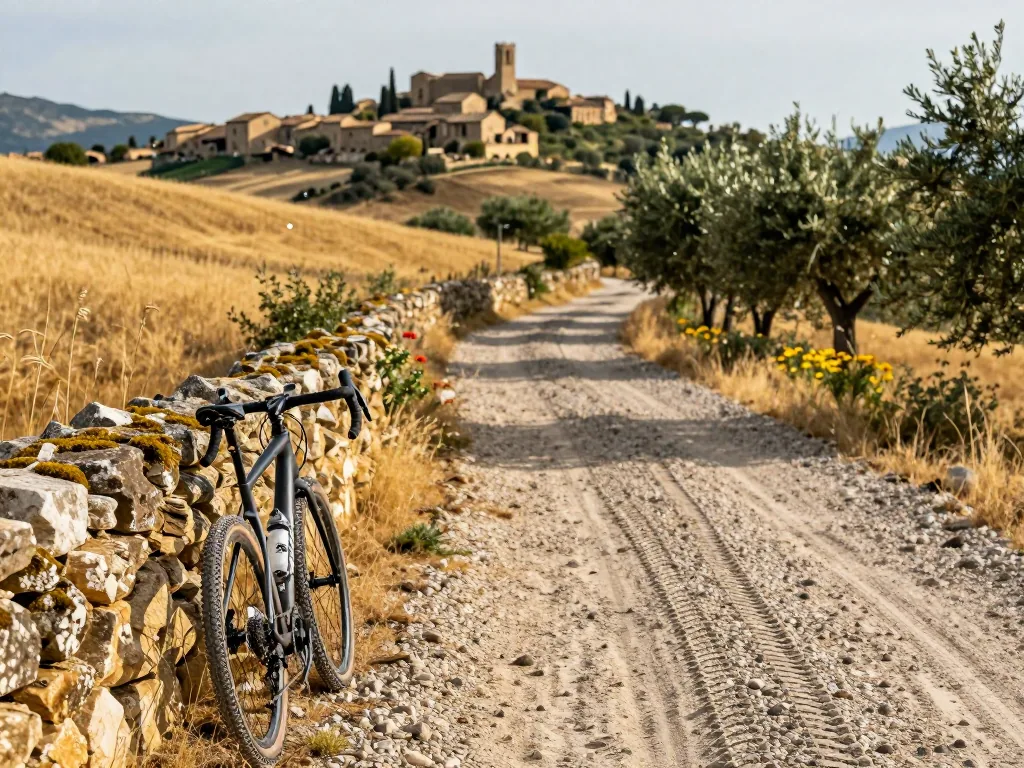
You’ve probably heard Girona is a road cyclist’s paradise. But gravel cycling in Girona? That’s the holiday you never knew you needed. Seriously—why stick to tarmac when the real magic hides on dusty tracks, cork forests, and quiet farm lanes? Picture this: you roll out of a medieval city, coffee in hand, and within minutes you’re on trails that feel like your own secret. This guide gives you the honest lowdown on routes, food, and logistics, so you can plan a trip that’s equal parts adventure and chill. By the end, you’ll wonder why you ever booked a beach week instead.
Why Girona Is the Perfect Base for a Gravel Cycling Holiday
Think of Girona as the quiet, slightly scruffier cousin of the French Riviera—but with better dirt roads and way fewer tourists. You land in Barcelona, skip the beach chaos, and head north to a medieval town that just happens to sit at the edge of some of Europe’s best gravel terrain. Honestly, it’s the kind of place where you can roll out of your hotel, hit a farm track in ten minutes, and not see a car for hours. So if you’ve been dreaming of a cycling holiday that feels less like a race and more like an adventure, this is it.
What Makes Girona Special for Gravel Riders
The magic here is the variety. Within a short ride from the city center, you’ve got the rolling hills of the Gavarres massif, the volcanic fields near Olot, and the rugged coastal trails that drop you right onto hidden coves. You can do a 40-kilometer loop with 800 meters of climbing in the morning, then be sipping a vermouth in a stone plaza by lunch. The gravel itself is the star—smooth hardpack, loose rocky sections, and even some cheeky singletrack if you fancy a challenge. It’s not the kind of terrain that beats you up; it’s the kind that makes you feel like a kid again.
What really seals the deal, though, is the infrastructure. There are bike shops everywhere that rent proper gravel bikes (think 40mm tires, not old mountain bikes), and the local cafes are used to muddy riders wandering in for coffee and a croissant. You don’t need a guidebook, either—just follow the faint tire tracks on a map app. But if you want a nudge, here’s a quick cheat sheet:
- Best time to ride: Spring and autumn, when it’s warm but not scorching.
- Don’t skip: The climb to Els Angels monastery—the view over the plains is unreal.
- Pack light: A small frame bag with snacks and a spare tube is all you need; water refills are everywhere.
The best part? You never feel rushed. This isn’t a training camp; it’s a holiday where the bike just happens to be the centerpiece.
How to Get Here Without a Car and Still Ride Great Trails
You don’t need a rental car, and honestly, you shouldn’t get one. Fly into Barcelona–El Prat, then hop on the train from Sants station to Girona—it takes about 40 minutes and runs frequently. Once you’re in Girona, the train station is right at the edge of the old town, so you can literally walk to your hotel with your bike box. No taxi, no hassle. And if you’re coming from further afield, the high-speed rail connects to France and beyond, so you can even skip the airport chaos entirely.
Once you’re based in Girona, the trails start right at your doorstep. You can head east toward the coast on quiet lanes that quickly turn to gravel, or go west into the almond groves where the surface is so smooth you’ll forget you’re on dirt. For longer rides, you can take the regional train (the little ones that stop at every village) with your bike to places like Anglès or Sant Feliu de Guíxols, then ride back to Girona on a completely different route. It’s like having a free shuttle service for your legs. If you do want a lift for a specific trailhead, a local bike shop can arrange a transfer—budget from €30 to €50 per ride, depending on distance. But honestly, the train is the trick. It’s cheap, it’s easy, and it means you can spend your energy on the pedals, not on parking.
What Kind of Gravel Terrain Will You Find Around Girona
Think Girona is all about road cycling? Think again. The gravel here isn’t some boring side note—it’s a whole different world. We’re talking farm tracks, forest singletrack, and rocky descents that feel way wilder than they really are. Roll out of the city, and within twenty minutes you’re on dirt. Smooth and forgiving one moment, technical and spicy the next. And the best part? You can ride a new route every single day and never get bored.
Rolling Hills
Head north or west of Girona, and you’ll hit pure rolling gold. Picture wide, exposed farm tracks weaving through wheat fields, olive groves, and old stone farmhouses. These hills are gentle enough for a chat while you pedal, but they’ll still keep your legs honest. Often, you’re riding along ridges with the Pyrenees looming ahead—pretty hard to beat. The surface is mostly compacted earth and small gravel, so it’s perfect if you’re new to off-road. After rain, the clay gets slick, but that just spices things up. You’ll roll through tiny hamlets where nobody seems to live, the silence broken only by your tires crunching. Maybe you’ll stop for coffee in a sleepy village square—if you can find one open. That’s the charm. It’s the classic, golden-hour gravel experience, minus any hike-a-bike.
Short Climbs
Don’t let “short” fool you. Around here, a short climb means 2 to 4 kilometers, and it’ll punch you in the lungs. Steep too—often 10–14% in places—and they start right from the valley floor. You’ll grind up switchbacks through cork oak forests, the surface shifting from packed dirt to loose rocks just as you find your rhythm. The payoff? Fast, swooping descents where you can let go of the brakes and feel like a kid again. Every climb is a little puzzle: pick the right line, keep your weight back, and you’ll clean it. The terrain’s so varied that a loop with three or four of these will leave you properly knackered. But because they’re short, you’re never suffering for an hour on some mountain pass. It’s punchy, high-intensity bursts. Perfect if you love a challenge but still want to make it back for a long lunch. Training for something bigger? These hills are a fantastic playground.
Coastal Trails | The Best Natural Areas to Explore on Two Wheels
Riding gravel near the Costa Brava is a whole different beast—and skipping it would be crazy. Head east from Girona, and you’ll hit the Mediterranean, but the real magic lies in the natural parks hugging the coastline. The Gavarres Massif, the Montgrí Natural Park, and the Medes Islands coastal area are your top picks. Trails wind through pine forests, along cliffs, and down to hidden coves where you can dip your feet in the sea. The surface is rockier, more technical—sharp limestone edges and sandy patches that demand focus. And the views? Absolute jaw-droppers. You’ll ride ridgelines overlooking turquoise bays, and on a clear day, the Pyrenees sit behind you with the Balearic Islands on the horizon. It’s more remote too. Fewer villages, more nature. So bring water and snacks, but you’ll feel properly connected to the landscape. After a gravel holiday mixing epic scenery with coastal vibes? This is your terrain.
| Natural Area | Surface Mix | Difficulty | Best For | Scenery |
|---|---|---|---|---|
| Gavarres Massif | Forest tracks, rocky climbs | Moderate to hard | Technical riding | Cork oaks, wild boar sightings |
| Montgrí Natural Park | Flat coastal dirt, some singletrack | Easy to moderate | Beginners, fast rides | The Montgrí Castle on its peak |
| Medes Islands Coastal Area | Cliff paths, sandy sections | Hard | Adventurous souls | Turquoise water, hidden coves |
| Empordà Plains | Open farm tracks, wind-exposed | Easy | Gravel newbies | Rice fields, birdlife |
How Much Climbing to Expect on a Typical Loop
Let’s be honest—you’re not escaping the climbing on a Girona gravel holiday. It’s part of the deal. But it’s rarely endless. A typical 50 to 70 kilometer loop packs in between 800 and 1,400 meters of elevation gain. Sound intimidating? Remember, it comes in bursts, not one long grind. You’ll do a steep 15-minute climb, then enjoy a long descent or a flat valley section before the next. The trick is picking loops that match your energy. Want a chill day? Stick to the Empordà plains—flat, fast, and honest. Feeling strong? Head to the Gavarres for back-to-back climbs that test your grit. After a mixed bag? Combine coastal trails with a few inland rollers. As a rough guide, a shorter 30 kilometer ride could be as little as 400 meters, while a longer epic might push past 1,800. The good news? Every climb rewards you with a view, and the descents are smooth enough to make you forget the pain. So, how much climbing should you expect? Enough to keep things interesting, but never so much that you can’t enjoy the ride.
How to Plan Your Multi-Day Gravel Route from Girona
Okay, so you’ve decided to explore Girona’s gravel—great call. But before you just pedal off into the hills, think about how to piece together a few days without turning your holiday into a logistics nightmare. The good news? Girona makes this stupidly easy. Hotels, bike shops, and train links are all a stone’s throw from the trails. You don’t need a van or a support crew. Just a solid plan and a bit of curiosity.
The trick is to base yourself in the city. Ride out each morning, then loop back for a late lunch and a well-earned swim. That way, you mix distances and difficulty day by day, with zero luggage hauling. And if you get tired or the weather turns? You’re never more than an hour’s pedal from a taxi or a train station. Honestly, it’s the most stress-free way to see the region’s real character.
Classic Loop Options from 40 to 120 Kilometers
Let’s talk actual routes. For a shorter spin, try the 40-kilometer loop west toward the Gavarres hills. It’s punchy, rocky in places, but totally doable on a lunch break. You’ll climb a bit, then drop into cork oak forests and tiny hamlets where nobody’s in a hurry. A mid-length day of 70 to 80 kilometers takes you north along the Ter River valley, crossing farm tracks and old mule paths before looping back via the quaint town of Celrà. That’s the sweet spot for most riders.
Want a proper epic? The 120-kilometer circle around the whole Selva basin will test your legs and your patience with climbs. But the views over the Pyrenees are unreal. Just remember to pack food—some middle sections have zero shops. And here’s a quick tip for pacing:
- Day 1: 40 to 60 kilometers, easy, just to get your bike settled.
- Day 2: 80 to 100 kilometers, chase the big climbs.
- Day 3: 50 to 70 kilometers, mix in a village visit and a long lunch.
That rhythm keeps you fresh and lets you actually see stuff, rather than grinding out miles. And hey, swap days around if your legs feel like lead. No shame in that.
Must-Visit Inland Villages Like Pals and Besalú
Don’t ride just for the sake of riding. Build your route around places you actually want to stop. Pals is a walled hilltop gem with narrow cobbled streets, a Romanesque church, and a square where you can sit with a cold drink and watch the world go by. It’s a bit touristy in peak season, but the gravel approach from the west is quiet. You’ll roll in feeling like a local. Besalú, further north, is even more dramatic: a medieval stone bridge, a Jewish mikveh, and riverbanks perfect for a quick foot dip.
These villages aren’t just photo stops. They’re where you’ll find proper Catalan food—grilled botifarra sausage, a slice of crema catalana—without the coastal price tags. Aim to arrive by early afternoon, when the tour buses have moved on, and you’ll have the place almost to yourself. Planning a longer loop? Use them as your midpoint markers. Pals for a 60-kilometer day, Besalú for anything over 90. That way, you’re never too far from a bathroom or a bread delivery.
The best gravel routes aren’t the ones with the most meters of climbing—they’re the ones that end with a seat in a sunny square, away from the noise.
Why GPS Navigation Is Your Best Friend Here
Let me be blunt: you will get lost without a GPS. The gravel network around Girona is a tangled web of farm tracks, firebreaks, and singletrack that sometimes just… ends. Paper maps don’t cut it. Many of these tracks are unmarked, and they change after rain. So, load a GPS app or a dedicated cycling unit with a pre-made route file. You’ll find free routes online from local cycling clubs, or you can plot your own using satellite imagery to spot the dirt ribbons.
The real beauty of GPS here? It lets you take chances. Spot a promising path that isn’t on your plan? Follow it. The device will reroute you back to the main loop without panic. Cell coverage is patchy in the hills, though, so download offline maps before you leave the hotel. It’s a small habit that turns a potentially stressful day into a smooth, carefree cruise. And hey, the locals are friendly. If you stop to ask directions, a smile and a point goes a long way. But a GPS never gets tired of you asking twice.
One more thing: keep your device charged. A small power bank in your saddlebag costs from €20 to €50 per unit and saves you from a dead screen at mile 90. That’s the difference between a fun detour and a very long walk back to Girona.
When to Go and What to Pack for Girona Gravel Riding
Timing your gravel holiday in Girona is half the battle. The good news? This corner of Catalonia is kind to riders almost all year round. You don’t need to chase a perfect window—just know what each season throws at you. And packing smart? That’s what separates a blissful week of dusty trails from a string of soggy, chafed afternoons. Let’s break it down so you show up ready to roll, not rummage through your bag wondering where your arm warmers went.
Best Seasons for Comfortable Riding
Want the Goldilocks zone—not too hot, not too cold? Aim for late spring or early autumn. Think April through June, then September through October. Daytime temperatures hover in that sweet spot where a short-sleeve jersey and a light gilet feel perfect. Trails are dry but not baked into concrete. You’ll also dodge the bulk of tourist crowds, so the gravel roads around the Gavarres and Rocacorba feel like your own private playground.
Winter, from November to February, is genuinely underrated. Yes, it’s cooler—expect lows around 5°C in the mornings—but the sun usually burns through by midday. Often, you’ll have the tracks to yourself. Rain is the wildcard, especially in December, so flexibility matters. If you can shift your riding days around a forecast, winter gravel in Girona is crisp, quiet, and stunning. Just pack a decent rain jacket and you’re golden.
Summer, meanwhile, is for early birds. July and August bring serious heat, but the trade-off is long, light-filled evenings. Happy to roll out at 7 a.m.? You can be back at your apartment for a pool plunge before the thermometer really climbs. For most riders, though, the shoulder seasons offer the best balance of comfort and trail quality. Honestly, you can’t go wrong—just don’t expect alpine-style coolness in July.
Dealing with Heat in Summer and Mild Winters
Let’s talk about the elephant in the room: Girona summers are hot. Properly hot. We’re talking 30°C plus by midday, with the sun bouncing off limestone and dry grass. The trick is to ride smart, not hard. Start early—seriously, set that alarm for 6:30 a.m. and you’ll be rewarded with empty roads and a cool breeze. Plan your route to include shaded, forested climbs. Save exposed ridgelines for late afternoon. And always, always carry more water than you think you need; a 750ml bottle won’t cut it on a three-hour loop.
Here’s the counterintuitive bit: winter in Girona is a gift. While the rest of Europe freezes, you’ll be riding in 10-15°C sunshine, often in a thin long-sleeve jersey and fingerless gloves. Mornings can be nippy, but by 10 a.m., you’ll be peeling layers. The bigger issue is occasional rain—it comes in sharp bursts, not all-day soakers. So pack a lightweight, packable shell and embrace the “stop for coffee and wait it out” mentality. The locals do it, and there’s no shame in a second cortado.
The golden rule for Girona gravel: dress for the first hour, not the whole ride. You’ll warm up faster than you think, and layers are easier to stash than to find later.
Clothing and Hydration Essentials for the Trails
When it comes to kit, think versatility over volume. You don’t need a full winter wardrobe—just a few key pieces that mix and match. Here’s a no-nonsense list to get you sorted:
- Two short-sleeve jerseys (one light, one breathable mesh) and one long-sleeve thermal jersey for cool mornings.
- A windproof gilet that packs into a pocket—this is your best friend for descents and coastal breezes.
- One pair of padded bib shorts and one pair of lightweight trail shorts if you prefer baggies; don’t skimp on the chamois.
- Arm warmers and knee warmers—they add flexibility without bulk, and you can peel them off mid-ride.
- A compact rain jacket that’s actually waterproof, not just water-resistant. Trust me on this.
- Gloves: one pair of full-finger for cool starts, one pair of fingerless for summer heat.
- A buff or thin cap for sun protection and to wipe sweat from your eyes.
Hydration is where amateurs fail. On a typical 60-80km gravel loop, you’ll need at least two bottles—and in summer, make one of them an insulated bottle to keep water cool. Consider a hydration pack if you’re doing longer, remote routes; it’s easier than stopping to filter. Don’t forget electrolytes, especially when temperatures climb. A few sachets in your jersey pocket weigh nothing but save you from that dizzy, empty feeling halfway up a climb.
For shoes, go with gravel-specific SPDs or flat pedals with grippy shoes if you’re new to clipless. You’ll be walking sections on rocky descents, so a stiff sole with some tread helps. Finally, pack a small repair kit—tube, levers, multi-tool, and a quick-link—because the last thing you want on a remote trail is a mechanical with no phone signal. That’s the real gravel holiday essential: preparation, not perfection.
Where to Stay and How to Sort Out Your Bike in Girona
So you’ve decided a gravel cycling holiday based in Girona sounds like the perfect mix of adventure and relaxation. Good call. But before you start dreaming about olive groves and medieval hilltop towns, you need to sort out the practical stuff. Don’t worry, it’s easier than you think. Girona is a bike town through and through, so you won’t be left scratching your head.
Bike-Friendly Accommodation in the City and Villages
You want a place that gets it. Somewhere that won’t flinch when you roll in with a muddy bike and a huge duffel bag. In the city center, look for hotels and guesthouses that advertise a secure bike storage room. Some even have wash stations and basic tools for quick fixes. Staying in the old town? You’ll love stepping out your door and riding straight onto the river paths that lead out to the hills.
Prefer a quieter base? The villages around Girona — think Celrà, Madremanya, or Púbol — have small agriturismos and family-run bed and breakfasts. Your bike can sleep in the garage or a locked shed. The trade-off? You’ll ride a little further to reach the famous climbs, but you’ll have zero traffic on your doorstep. For your first gravel cycling trip based in Girona, staying in the city gives you more flexibility for eating out and getting help if you forget something.
| What to Check | City Stay | Village Stay |
|---|---|---|
| Bike storage | Secure room or garage | Shed or barn, often shared |
| Nearby food options | Cafés and restaurants within walking distance | Often a single local bar |
| Ride start | Quick roll to river paths | Immediate quiet lanes |
| Bike shops | Plenty within 15 minutes | Might be 20–30 km away |
| Noise level | Some street noise | Peaceful, often silent at night |
Renting a Gravel Bike and Getting Repairs Done
You’ve got two solid options: pack your own bike or rent one here. Flying with your gravel rig is fine if you love your saddle and want that bolted-on feel. But a gravel cycling holiday based in Girona might be smoother if you rent. Plenty of local shops have a fleet of carbon gravel bikes with wide tires, tubeless setups, and a bunch of gear for climbing. You’ll pay anywhere from €35 to €90 per day, depending on frame material and how many days you book. Weekly deals usually knock the price down a notch.
The rental shops also handle repairs. That’s a lifesaver if you snap a chain or rip a sidewall on a rocky descent. Most have a workshop open during normal business hours, and they’re used to tourists with broken mechs and puzzled faces. If you’re self-supported, it’s smart to carry a spare tube, a multi-tool, and a mini pump — even if your tires are tubeless. And don’t be shy about asking for route advice. The staff ride these trails weekly and know exactly where the mud lingers after rain.
Tips for Self-Supported Riding and Local Services
Riding self-supported in this region is a joy, but it takes a little planning. First, download offline maps before you leave the house. Mobile signal drops out in the valleys, especially north of the city toward the volcanic zone. Second, carry cash. Many small village bars and water fountains don’t take cards, and you’ll want to stop for a coffee and a slice of Catalan cake at some point.
Water is easier to find than you’d expect. Every village has a public fountain in the square, but not all are drinkable. Look for the signs or ask a local — they’ll point you to the safe one. For food, aim to pass through a market town like Banyoles or Santa Coloma de Farners around midday. Supermarkets are perfect for stocking up on almonds, cheese, and cured meat. And if you feel a mechanical issue brewing, most small towns have a bike repair stand or a mechanic who works out of a garage. Ask around, and you’ll often find someone who can true a wheel or adjust your gears for a few euros. The key is to be flexible and not panic. This is a laid-back place, and your ride will always work out.
How to Make the Most of Your Gravel Holiday in Girona
You’ve heard the hype about gravel biking, and you’re ready to swap the office for olive groves and rough tracks. Girona isn’t just a place to ride—it’s a place to get properly lost in the best way. The secret to a great gravel holiday here? It’s not about cramming in the miles. It’s about pacing yourself, mixing the riding with the living, and letting the landscape do the heavy lifting. So, how do you turn a good trip into a legendary one? Let’s map it out.
Combining Coastal Views with Inland History
The beauty of Girona is that you don’t have to pick between the sea and the stones. One morning, you’re grinding up a dusty climb with the Mediterranean glittering behind you. The next, you’re rolling past medieval villages where the walls have stood since before your great-grandparents’ grandparents were born. The trick? Loop them together. Start inland, around the Bas Valley, where gravel ribbons through cork oak forests and past Roman bridges. Then, drop toward the coast near Sant Feliu de Guíxols—not on the main road, but on the quiet farm tracks that hug the hillside. You’ll get the salty breeze in your face and the smell of wild rosemary, all within a 60–80 kilometer day.
Don’t skip the history stops, though. A quick detour to the old town of Pals, with its cobbled alleys and watchtower, is a perfect excuse for a coffee and a slice of coca de llardons. Or push further south to the ruins at Empúries, where Greek and Roman foundations sit right next to the sand. It’s surreal to pedal past ancient olive presses, then rinse your tires in the sea five minutes later. The climbs are steady, not punishing, so you’ve got the energy to actually enjoy the views—not just gasp at them.
Building a Flexible Itinerary That Matches Your Fitness
Here’s the honest truth: your legs on day one aren’t the same legs you’ll have on day three. A gravel holiday in Girona works best when you treat each day as its own little adventure, not a stage in a race. Plan a core route, but leave room to shorten it or extend it based on how you feel after breakfast. New to gravel or just want a chill day? Stick to the flat, well-packed tracks along the Ter River—smooth, scenic, and perfect for easing in. Feeling strong? Add the climb up to the hermitage at Sant Miquel de Cruïlles, where the switchbacks reward you with a 360-degree view worth every drop of sweat.
Map out your days with clear bail-out points. Check your GPS or phone before you leave the hotel, and know where the train lines run—the region has a few small stations that can take you back to Girona if you run out of steam. For daily ride costs, expect to pay anywhere from €5 to €15 for a good coffee-and-pastry stop. Need to rent a bike for the week? Budget from €150 to €300 per week, depending on the model. Keep your itinerary light:
- Ride half days, then swim or nap in the afternoon.
- Alternate a long, hilly day with a short, flat recovery ride.
- Always have one rest day—no exceptions—to explore the city on foot.
That flexible mindset turns a potential slog into a proper holiday. You’re there to enjoy the rolling hills, not to prove anything.
Avoiding Common Mistakes on Unmarked Trails
The gravel around Girona is a dream, but it’s also a maze. Many tracks aren’t signposted, and a wrong turn can leave you pushing your bike up a goat path or, worse, dead-ending at a vineyard with a locked gate. The biggest mistake? Trusting your phone’s map blindly. Those little grey lines on the screen? They don’t always exist on the ground. Before you set out, download a proper offline map like OsmAnd or Ride with GPS, and mark your route waypoints. Even better, ask your hotel or local bike shop for a few GPX files—they know which farms have dogs and which gates are actually open.
Another classic slip-up is underestimating the surface. What looks smooth like pavement in a photo can be a washboard of loose stones and deep sand in reality. Carry a spare tube, a quick-link, and—seriously—a mini pump. You might not need them, but the one time you do, you’ll be glad you’re not walking three hours back. Also, don’t assume every trail is legal. Some tracks cut through private hunting grounds or nature reserves, so stick to the ones marked as public or use the local “green roads” network. See a chain across the way? Turn around—it’s not being dramatic, it’s being smart.
Pro tip: Always carry a liter more water than you think you need. The inland sections get baking hot, and the last café can be 30 kilometers away.
And here’s the biggest mistake of all: rushing. You’re in Girona, a place where the riding is the point, so stop obsessing over the clock and your average speed. Pull over for that photo. Chat with the farmer who waves. Take the longer way home if the light is golden. A gravel holiday here is about the slow burn, not the fast finish—so ride hard, but remember to breathe.
The Ride Back to Real Life
Here’s the thing—you don’t need to be a pro to fall for Girona. Just a bike, a bit of adventure, and a willingness to swap your usual holiday for something that moves you. The gravel here? It’s more than a workout. It’s a backstage pass to olive groves, medieval villages, and quiet roads that feel made for you. By the end of the week, you’ll be planning your return before you’ve even unpacked. So what’s stopping you? Book that flight, grab that gravel bike, and let Girona show you the holiday you never knew you needed.
Frequently asked questions
Why base a gravel cycling holiday in Girona?
Girona is a dream for gravel riders because you can roll out of the city and be on quiet, rocky tracks in minutes. You get a mix of Mediterranean coast, volcanic hills, and medieval villages all within a short ride, so every day feels different.
What kind of terrain will I actually ride on?
Think smooth gravel paths, rough farm tracks, and some punchy climbs through cork oak forests and olive groves. There are also a few sections of singletrack and river crossings, but nothing too technical—you’ll want a bike with decent tire clearance and a bit of confidence.
Do I need to bring my own gravel bike or can I rent one there?
You can absolutely rent a quality gravel bike in Girona, with prices ranging from 40 to 90 euros per day depending on the model and how long you hire it. If you’re picky about fit or have your own saddle, bringing your own bike is a great option, but the local shops are well-stocked and friendly.
How many days should I plan for a Girona gravel trip?
A solid week—say five to seven riding days—lets you cover the highlights without rushing. With three days you’d only scratch the surface, but you could still do a couple of epic loops and have time for tapas.
Is it easy to ride self-guided, or should I hire a guide?
Self-guided is totally doable because the trails are well-marked and GPS routes are easy to download, but a guide can save you from wrong turns and show you hidden gems. If you’re new to the area or want to focus on riding, hiring a local guide for a day or two costs between 80 and 150 euros per day and is worth it.
What's the weather like for gravel riding in Girona?
Expect warm, sunny days with a refreshing breeze, especially in spring and autumn, which are perfect for riding. Summers can get hot—think high 30s Celsius—so you’ll want to start early and carry plenty of water. Winters are mild but can be wet, so pack a light rain jacket.
Are there good places to stop for food and coffee on the routes?
Absolutely—you’ll pass through charming villages with small bakeries and family-run bars that serve strong coffee and local pastries. Many routes end or start near Girona’s old town, where you can reward yourself with a proper Catalan lunch or a cold beer.
What should I pack for a gravel holiday in Girona?
Bring your usual riding kit plus a few extras: a lightweight windproof layer, extra tubes or sealant, and a small repair kit because some tracks are remote. Don’t forget sunscreen and a buff, and pack a pair of casual shoes for evenings out in the city.
Can I combine gravel riding with other activities in Girona?
For sure—Girona is famous for its food, history, and nearby beaches, so you can easily mix a rest day with a visit to the cathedral, a cooking class, or a swim at the Costa Brava. The town is compact and walkable, so you can explore it on your off-bike days without any hassle.