Girona’s Gravel Giants: The Climbs That Define the Ultimate Ride
Conquer Girona’s legendary gravel climbs—steep ramps, rugged trails, and epic views. Discover the ultimate routes defining the region’s best off-road riding.
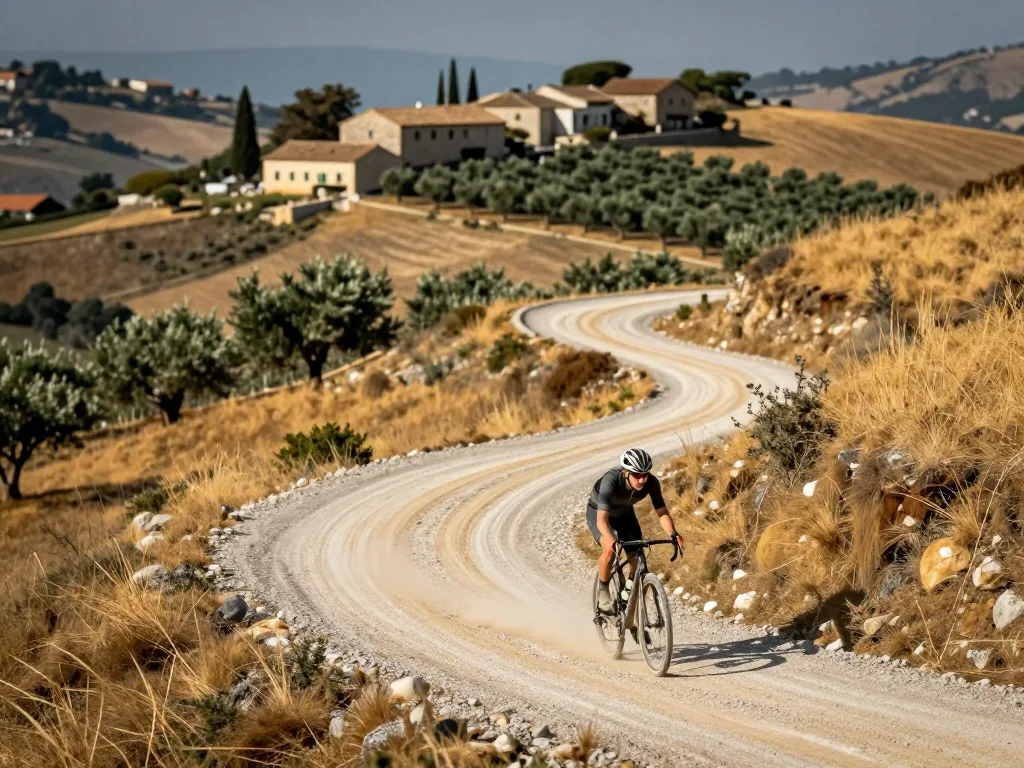
Forget paved passes and predictable gradients. The real test of a gravel rider lies in the raw, uncompromising climbs that rise from Girona’s volcanic hills and Pyrenean foothills. This guide cuts through the noise to deliver the definitive collection of gravel ascents—each one hand-picked for its epic character, yet verified as rideable, non-technical dirt that won’t punish a missed line. You’ll get more than a list of summits: it’s a practical blueprint covering route selection, navigation cues, timing windows, and the exact preparation needed to tackle these climbs with confidence. Whether you’re hunting a lung-busting ridge or a sweeping valley grind, these are the routes that turn a good ride into an unforgettable one—all within an hour of the city’s medieval walls.
Understanding the Girona Gravel Landscape
The Three Core Massifs and Their Character
The climbs around Girona fall into three distinct personalities, each with its own rhythm, surface, and psychological demands. The Gavarres, a rolling coastal range to the southeast, dish out short, punchy, often loose forest-track efforts. These climbs don’t let you settle in; they attack in waves, with steep kickers that punish hesitation and reward raw wattage. Narrow, root-strewn, and frequently carpeted in dry leaves that mask the true grip beneath, the tracks here test your faith and bike handling.
To the west, Els Angels offers a complete contrast: a long, steady, compacted gravel grind that rises in a near-constant, unrelenting gradient toward the hermitage at the summit. The surface is hard-packed, forgiving, and almost motorable in places—perfect for a sustained tempo effort. There’s no respite, but there’s no surprise either. Just you, the gradient, and the slow, satisfying burn of a climb that demands patience over power.
Then there’s Rocacorba—the epic, the one that defines the region’s gravel reputation. Steep, sustained, and mixed-surface, it begins on tarmac before transitioning to a rough, rocky track that climbs into a high alpine feel, with exposed switchbacks and views stretching to the Pyrenees on a clear day. The surface varies from hardpack to fist-sized stones, and the gradient rarely lets go of your throat. Each massif demands a different pacing strategy and tire choice: the Gavarres call for supple, grippy rubber and a willingness to sprint; Els Angels suits a steady, seated rhythm on a fast-rolling compound; Rocacorba demands low pressures, a wide casing, and the kind of mental fortitude that only comes from knowing the summit is a long way off.
Fitness and Skill Expectations
These are not beginner routes. Expect sustained gradients of 8–12% on Rocacorba, with the Gavarres featuring repeated short ramps that require bursts of power. You should be comfortable riding on loose gravel over hardpack, managing your effort for 2–4 hour rides, and descending on sketchy surfaces at speed. This is not a place to learn; it is a place to refine.
Spring and autumn are the clear windows for Girona’s gravel climbs. Cool morning air keeps your core temperature manageable on long gradients, and the trails stay dry and grippy, rewarding precise line choice. Summer is another beast entirely: by midday, heat off the limestone and clay turns any climb over 20 minutes into a fight against dehydration and cramping. Start before dawn or skip it. Winter has its own trap—saturated clay gravel becomes slick, impassable mud that clogs drivetrains and kills traction on steep pitches. Always check the forecast for the massif, not Girona city; the hills brew their own microclimate, catching cloudbursts and gusty winds the plains never see.
Most classic routes begin with a deceptive blessing: 10 to 20 kilometers of flat, fast terrain across the plains before the climbing starts. That warm-up matters—not just for your legs, but for sorting gear and shifting mentally into ascent mode. For a smarter start, base yourself in the medieval villages of Madremanya or Monells. These stone hamlets sit at the foot of several major climbs, ideal as staging points or mid-ride refuel stops. Narrow streets and quiet squares hold the last reliable water fountains, small grocery shops, and café bars for hours. Fill every bottle here; once you leave the village boundary, the next guaranteed tap may be 40 kilometers away over rutted tracks and switchbacks. Plan so you hit these villages fresh at the start or with enough reserve to reach them before they close—many rural shops shut by early afternoon. With a solid weather window and a clear water plan, the climbs become the only thing left to focus on.
Route Breakdown: The Essential Climbs
Rocacorba: The Steep, Sustained Classic
Rocacorba is the marquee climb in the region, earning its reputation with every pedal stroke. Smooth, paved lower slopes wind through cork oak forests, but the character shifts abruptly once tarmac gives way to rough, steep gravel. The summit sits at approximately 1,000 meters, and the gradient rarely lets up—expect sustained pitches hovering in the double digits, demanding a measured effort from the very first ramp. From the base village, plan a 60 to 90-minute push, pacing yourself so something remains for the final switchbacks where the surface turns loose and the Empordà plain opens wide below. The descent is the real test: fast, technical, unforgiving, with gravel collecting on the outside of corners and ruts hidden in the shadows. Ride with restraint on the first pass, then commit on the second.
Els Angels: The Long, Steady Grinder
For a more forgiving yet equally rewarding ascent, Els Angels offers a different satisfaction. The climb alternates between paved road and wide, compacted gravel, with a gradient that stays consistent and moderate—rarely steep enough to break your rhythm, never easy enough to zone out. It’s the ideal venue for a steady tempo effort, where you settle into a metronomic cadence and let the kilometers tick by. The hermitage at the top is the obvious turnaround, providing a flat, scenic plateau with shade and a water source—perfect for a snack before descending the same way. The surface is predictable, the corners open, and the payoff is a panoramic view of the Girona basin stretching to the Mediterranean on clear days.
Gavarres Hills: The Punchy, Rolling Network
The Gavarres are not a single climb but a maze of shorter, punchy efforts, each lasting three to eight minutes, connected by rolling ridge lines and forest tracks weaving through cork and pine. Expect loose, rocky sections that demand careful line choice—a wrong wheel placement can send you skidding sideways on steeper pitches. Approach them as a loop, linking multiple climbs into a varied, high-intensity workout rather than a single summit push. The reward is variety: every corner reveals a new surface, a new gradient, a new challenge. Bring your handling skills and a willingness to ride defensively on descents, where gravel is often deeper than it looks. Here lives the true gravel character of Girona—raw, technical, and endlessly repeatable.
Navigation, Supplies, and Safety on the Road
GPS Files and Trail Signage
The gravel network around Girona winds through ancient farm tracks, firebreaks, and forgotten mule paths. Signage is inconsistent, often absent, so trusting markers can turn a ride into an ordeal. Download GPS files for your route before leaving, and load them onto a cycling computer or a phone in a sturdy mount. Offline maps are vital—cell coverage disappears in the deep Gavarres valleys. For remote stretches, a paper map of the massif is a smart backup; it’s light and never dies.
Carrying Essentials: Water, Food, and Repair Kit
None of these climbs offer services. No fountain at Rocacorba’s chapel, no bar on Els Angels’ switchbacks, no vending machines in the cork oaks. Shops are in the base villages—Celrà, Llagostera, Madremanya—so pack everything. Bring at least 1.5 liters of water per two hours, and add another bottle in summer heat. High-energy food is a must: bars, gels, or dried fruit in a jersey pocket. A full repair kit is equally essential. Flinty gravel shreds tires, so carry two tubes, a patch kit, a multi-tool, tire levers, and a pump or CO2 inflator. Tubeless setups help but aren’t foolproof—pack a plug kit and know how to use it.
Safety and Communication
Solo riding is common but risky. On quiet tracks, a breakdown or wrong turn can leave you stranded for hours. Tell someone your route and expected return time. Cell service is patchy in the Gavarres and vanishes on Rocacorba’s upper slopes, so don’t rely on your phone. Carry a basic first-aid kit—bandages, antiseptic wipes, tape—and learn the nearest village names for precise location calls. The climbs will test your legs; preparation ensures they test only those, not your nerve.
Advanced Considerations and Ride Variations
Tire and Gearing Setup for Mixed Surfaces
The right setup turns these climbs from punishing slogs into fluid, controlled efforts. On Rocacorba and Els Angels, where pavement blends with packed gravel and smooth dirt, a 40–45mm tire with a slick center and small side knobs balances speed and grip. You’ll carry momentum on tarmac without losing confidence when the surface changes. In the Gavarres, where loose corners and embedded stones appear more often, opt for a more aggressive tread—pronounced shoulder lugs that bite when you lean into a switchback. Gearing matters just as much. Fit a compact crankset like a 46/30 with a wide-range cassette such as 11–34 or larger to keep a comfortable cadence on the steepest pitches. Grinding a 20% ramp in a 39/28 burns matches you’ll need later; low gears let you spin, not stall.
Combining Climbs for a Full-Day Epic
For advanced riders, the real magic is linking these giants into one sustained day. A classic move: ride Els Angels early morning, when the air is cool and the asphalt quiet, then drop into the Gavarres for a loop of several shorter, punchier climbs. Or start before sunrise and tackle Rocacorba’s relentless gradient first, saving a shorter Gavarres ascent for the afternoon once your legs find a rhythm. Either route gives you a 100–120 km day with 2,000+ meters of climbing. But don’t underestimate the flat return to Girona—after a day of vertical battle, those last 20 kilometers across the plain can feel far longer than the climbs themselves. Pace accordingly and keep a little in reserve.
Alternative Approaches and Descents
- Ride Rocacorba from the harder, less-traveled northern side for a steeper, more technical challenge that rewards solitude over scenery.
- Descend Els Angels via a gravel track looping back to the base village, avoiding the paved road and adding a thrilling, loose-surface finale.
- In the Gavarres, plan a descent on a different track than your ascent to maximize variety and scenic views—each ridge reveals a new valley.
- Use the flatlands around Monells to add a fast, non-technical connector between climbs, letting you recover while still covering ground.
Cost and Service Considerations
No entry fees apply to any of these climbs. Budget for fuel or parking if driving to a base village, typically €5 to €15 per day. For guided services or bike rentals, expect €50 to €150 per day for a quality gravel bike, or €100 to €250 for a half-day guided ride with a local expert. Always confirm equipment and route details in advance—these climbs demand respect, and preparation separates a great story from a grim one.
The conclusion is simple: pick a foothill, clip in, and let the gravel lead you upward. With careful timing, solid navigation, and true self-sufficiency, Girona’s gravel giants deliver an unforgettable blend of physical grit and Mediterranean beauty. These climbs don’t give themselves up easily—they demand respect for their length, exposure, and remoteness. In return, they offer dramatic ridgelines and olive-shaded descents unlike anything else in the region. You don’t need to conquer them all at once. Choose a route that fits your fitness and experience, then ride with patience and purpose. Pack extra water, map your resupply points, and let the hills set the tempo. Each summit becomes a milestone, and the ride itself becomes the measure against which you’ll judge all others.
Frequently asked questions
What makes the gravel climbs around Girona so special?
The terrain mixes rugged, unpaved mountain tracks with smooth, fast sections, offering a unique blend of technical challenge and scenic reward. You’ll ride through cork oak forests, volcanic hills, and medieval villages, all within a short ride from the city.
Which is the best gravel climb for a first-timer in the Girona area?
The climb to Sant Hilari Sacalm via the old forestry track is ideal, as it features a steady, manageable gradient and wide, well-packed gravel. It offers sweeping views of the Guilleries mountains without requiring advanced bike-handling skills, and you can loop back on quiet paved roads.
What is the most challenging gravel climb near Girona?
The ascent to Rocacorba from the Banyoles side is the toughest, with sections exceeding 15% on loose, rocky gravel and a relentless, exposed ridgeline. It demands excellent fitness and confidence in descending, but the panoramic summit views are unmatched.
How long does a typical gravel climb route take, including descent?
Most climbs range from 1.5 to 4 hours round trip, depending on your pace and the route chosen. For example, the climb to Els Angels plus its return loop takes about 2 to 3 hours, while longer routes into the Gavarres can stretch to a half-day adventure.
Do I need a special bike for these climbs, or can I use a standard road bike?
A gravel bike with wider tires (40mm or more) is strongly recommended, as many sections have loose stones, roots, and ruts. A standard road bike with skinny tires will struggle on the steeper, rougher pitches and may lead to frequent punctures or crashes.
What is the best season to ride gravel climbs around Girona?
Spring and autumn offer the best conditions, with mild temperatures and dry, grippy trails. Summer can be scorching on exposed climbs, while winter rains can turn sections into slick mud, so check the forecast and avoid riding after heavy downpours.
Are there any guided gravel climb tours or group rides available?
Yes, several local bike shops and independent guides offer half-day and full-day gravel tours, with prices typically ranging from 60 to 150 euros per person. These tours include route navigation, mechanical support, and often a café stop, making them great for exploring hidden climbs safely.
Where can I find reliable route maps or GPS files for these climbs?
You can download free GPS tracks from local cycling club websites or popular platforms like Ride with GPS and Komoot, searching for ‘Girona gravel climbs’. Additionally, many cafés and bike rental shops in Girona sell printed route cards for a small fee, usually between 2 and 5 euros.
What should I carry in terms of food and water for a long gravel climb?
Carry at least 1.5 to 2 liters of water per person for a 3-hour ride, as water sources are scarce on the mountain tracks. Pack high-energy snacks like nuts, dried fruit, and a sandwich, and always bring a basic repair kit, including a spare tube, tire levers, and a mini pump.
Is it safe to ride these climbs solo, or should I go with a partner?
While many climbs are safe solo in good weather, the remote sections have no mobile signal and limited traffic, so riding with a partner is recommended for safety. If you do go alone, share your route plan with someone and carry a personal locator beacon or a fully charged phone in airplane mode to save battery.