Girona's Best Mountain Bike Trails You'll Want to Ride Right Now
Craving epic rides? Discover Girona's best mountain bike trails, from flowy singletrack to rugged climbs. Grab your bike and hit these local favorites today.
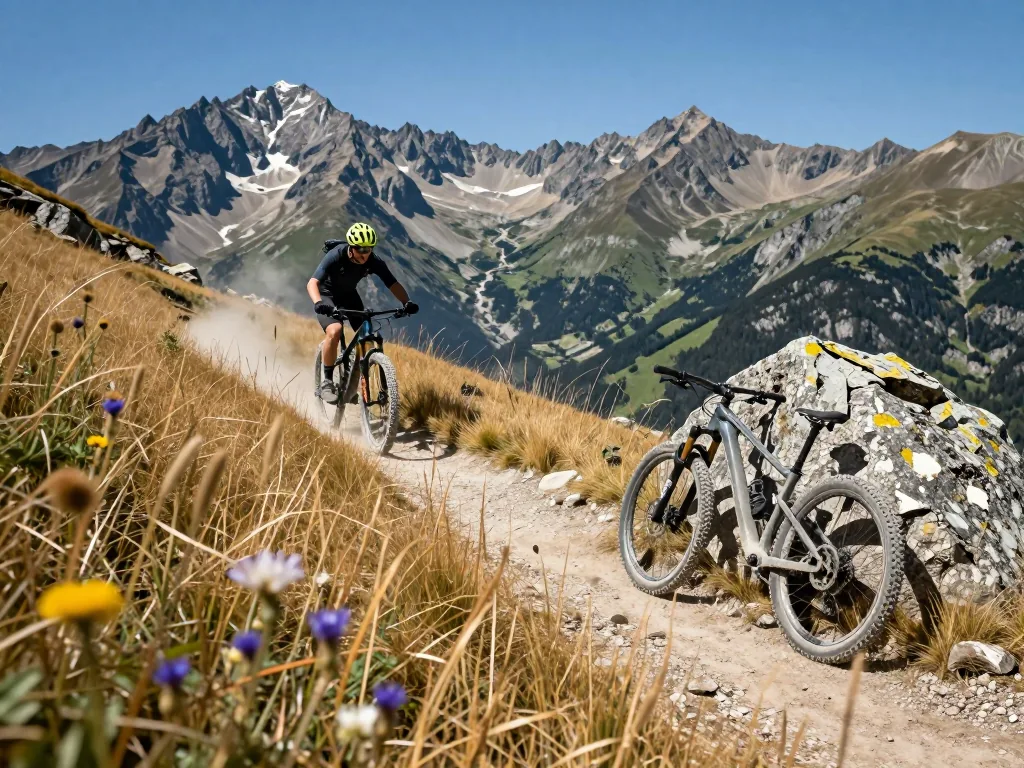
Looking for the best mountain biking trails near Girona? You’re in the right spot. Whether you’re a pro or just pulling your bike out of storage, this corner of Catalonia is a dream. Singletrack, climbs, views that’ll make you forget the burn—it’s all here. I’ve done the scouting so you can skip the guesswork. Ready to find your next favorite ride? Let’s go.
What Makes Girona a Top Spot for Mountain Biking
Haven’t ridden in Girona yet? You’re genuinely missing out. This corner of Catalonia has quietly become one of Europe’s most loved mountain biking destinations—and honestly, it’s not hard to see why. You get rugged hills, smooth singletrack, and views that make you want to stop every five minutes for a photo. Plus, the vibe here is relaxed. No lift queues, no race-day stress. Just you and the trail.
So, what’s the secret sauce? It’s the mix of everything. You can roll out of town and be on dirt within ten minutes, but you could also spend a full week exploring and still find new lines. Some trails are well-marked; others are wild and unmarked, which keeps things exciting. Whether you’re a weekend warrior or a hardcore enduro rider, Girona has a way of making you feel right at home.
Why riders from all over keep coming back
People don’t just ride here once and forget about it—they book return trips before their first one ends. The main draw? Sheer variety. You’ve got short, punchy climbs that get your heart pounding, followed by flowy descents where you can just switch off and carve. It’s not all about technical difficulty either. Plenty of routes let you enjoy the scenery without constantly worrying about the next rock garden.
Another big reason is the local riding community. You’ll find small bike shops and rental spots happy to share their favorite loops, and many trails are maintained by volunteers who clearly care about the sport. Also, the proximity to the city is a huge plus. Ride a challenging loop in the morning, grab a proper coffee and tapas for lunch, and still have time for an afternoon ride. That convenience, combined with real, honest terrain, keeps pulling riders back.
The kind of terrain you can expect on the trails
Expect a bit of everything, but mostly think dry, grippy dirt with loose rocks on top. The hills around Girona are classic Mediterranean—steep, scrubby, and full of switchbacks. You’ll climb on wide fire roads that gradually narrow into tight singletrack, often lined with cork oaks and gorse. Descents vary from fast and flowy to slow and technical, so you won’t get bored.
Here’s a quick breakdown of what you’ll likely encounter:
- Smooth flow trails – perfect for building confidence, with gentle banked corners and small rollers.
- Rocky tech sections – big slabs and embedded stones that demand good line choice and a bit of courage.
- Rooty forest paths – mainly in the shadier areas, where the ground stays damp and slippery.
- Exposed ridge lines – breathtaking views but no room for mistakes, so keep your eyes on the trail.
No two rides feel the same, which is exactly why you’ll want to come back for more. Just remember to bring a decent set of tires—you’ll thank yourself later.
How the Mediterranean weather affects your ride
The weather here is your best friend and sometimes your worst enemy, but mostly your best friend. With over 250 sunny days a year, you can plan a ride almost any week and get dry, dusty trails. That means great grip on hardpack, but be ready for a layer of fine dust that coats everything—including your lungs if you’re following someone too closely. Early mornings are often crisp and perfect, while summer afternoons can get hot. Start early or ride in the shade of the valleys.
Rain, when it comes, is usually short and intense. The clay-based soil turns slick and sticky quickly, so riding right after a downpour is a slippery, messy affair. But give it a day or two, and the trails dry out beautifully, leaving them faster and more packed than before. In winter, you’ll get cooler temperatures and occasional frost, but with the right layers, you can ride comfortably all year. Just check the forecast—a sudden storm can turn a dry creek bed into a roaring river in minutes, and you don’t want to be on the wrong side of that.
The Best Mountain Bike Trails Near Girona You Should Know
Looking to swap the city noise for some proper singletrack? The area around Girona is an absolute goldmine. You’ve probably heard the hype about the best mountain biking trails near Girona, and trust me, it’s all true. The terrain throws everything at you—smooth forest paths, punchy climbs that test your legs, and the best part? Most trails are just a short pedal from town. So grab your bike, slap on some sunscreen, and let’s dive into the rides you’ll be bragging about for weeks.
Exploring the famous Girona Trails on the Gavarres Massif
The Gavarres Massif is where the locals go, and honestly, it’s easy to see why. You’ve got this massive network of trails weaving through cork oak forests and rolling hills, all within a stone’s throw of the city. The riding here is proper fun—think technical roots, loose rocks, and switchbacks that keep you sharp. What’s great? You can link up loops of different lengths, so whether you’ve got an hour or a full day, there’s a route for you.
Start from the small village of Sant Martí Vell and head up towards the highest point, Puig d’en Xelma. The climb is steady rather than brutal, giving you time to warm up and soak in the Mediterranean views on a clear day. Once you’re up top, the descent is where the magic happens. Fast, flowing sections open up into more technical chutes—just keep your weight back and pick your line. The trails are well-marked, but it’s worth loading a GPS track because some junctions can be sneaky.
What makes the Gavarres so special is the variety. One minute you’re pedaling through shaded, mossy forest, the next you’re popping out onto exposed ridgelines with wind in your face. It’s a place that rewards exploration, so don’t be afraid to take a wrong turn now and then. Just make sure you’ve got enough water and a spare tube, because the terrain can be tough on gear.
Taking on the Rocacorba climb for epic views
Now, if you’re after a challenge that’ll leave you breathless (in a good way), Rocacorba is the one. This climb is legendary among roadies, but on a mountain bike, it takes on a whole new life. You start from the town of Canet d’Adri and immediately start grinding uphill. The road is paved for the first few kilometers, but once you hit the gravel and dirt, the real fun begins. It’s a long, sustained effort—think 12 kilometers of climbing with an average gradient that’ll have you questioning your life choices.
But here’s the thing: the payoff is unreal. When you finally reach the summit, you’re standing at over 900 meters with panoramic views that stretch all the way to the Pyrenees on one side and the Mediterranean on the other. It’s the kind of vista that makes you forget how much your legs hurt. Take a good break up there, snap some photos, and just soak it all in. There’s a small hermitage at the top, which adds a cool, historic vibe to the whole experience.
The descent is a whole different beast. The upper section is rough and rocky, demanding full concentration and good bike handling. As you drop lower, the trail smooths out into fast, flowing bends that’ll have you grinning ear to ear. Just be careful on the loose gravel corners—they can catch you out if you’re going too hot. This is a ride best done on a trail bike with decent travel, and it’s one of those routes that stays in your memory for years. If you’re fit and ready for a big day out, Rocacorba won’t disappoint.
Flowy descents and rocky sections that keep things fun
Not every ride needs to be an epic climb, right? Sometimes you just want to hit the trails and let gravity do the work. That’s where the area around the village of Llagostera comes into play. This zone is packed with hand-built singletrack that’s all about flow and momentum. You’ll find bermed corners that let you carry speed, small rollers that get you airborne if you’re feeling brave, and just enough rocky sections to keep things interesting without being overly punishing.
One of the standout loops here is the “BTT Llagostera” circuit, which mixes fast forest tracks with some tighter, more technical bits. It’s a loop you can ride multiple times, each lap feeling a little different depending on your line choices. The best part? The climbs are short and punchy, so you’re never grinding for ages—just enough to get your heart rate up before the next sweet descent.
To help you decide what to expect, here’s a quick breakdown of the trail types you’ll come across:
| Trail Type | What to Expect | Best For |
|---|---|---|
| Flow trails | Smooth, bermed corners, rolling terrain | Building confidence, having fun |
| Rocky sections | Loose stones, roots, technical moves | Improving bike handling |
| Forest singletrack | Shaded, narrow, twisty paths | Escaping heat, practicing precision |
| Fire roads | Wide, graded gravel climbs | Quick access, easier climbing |
The rocky sections, in particular, are great for practicing your technique. You don’t need to be a pro to ride them, but you do need to stay loose and let the bike move underneath you. Pick a gear that keeps you spinning, keep your eyes up, and the trail will do the rest. This is the perfect kind of riding to do with a group of friends, because there’s something for everyone—from the cautious rider who wants to take it easy to the adrenaline junkie who’s looking to send every drop. Just remember to check the weather before you head out; these trails can get slick when wet, and you’ll want to keep the rubber side down.
How to Plan a Multi-Day Riding Trip Around Girona
Got a few days to spare and a decent pair of lungs? Then Girona’s your launchpad for a proper mountain bike adventure. No van, no shuttle, no complicated logistics—just a bike, a small backpack, and a willingness to get a little lost on purpose. The trails link up like they were designed for multi-day loops. Small villages, train stations, and guesthouses pop up along the way. So grab a coffee, pull up a map, and let’s turn that weekend ride into a mini expedition you’ll actually finish.
Starting your rides right from the city without a car
Here’s the best part: roll out of your hotel in Girona’s old town, and you’re on singletrack in under twenty minutes. No rental car. No stressful bike rack fumbling. Head toward the Gavarres massif on the south side of the city—cross the Onyar River, follow the gravel paths that climb gently into cork oak forests. Once you’re up there, the trails are well-marked. You get smooth flowy sections and rocky technical drops that keep things interesting.
Near the train station? Even better. Hop on a regional train to Cassà de la Selva or Llagostera, then ride back toward Girona on a different route. That’s a natural loop without ever touching a car. Pack light, bring plenty of water, and remember—the first hour is almost always a steady climb. Save some legs for the descent. Unsure about the route? Just follow the sound of other riders’ tires. This area’s busy on weekends with locals who know every turn.
The best way to avoid getting stuck is to start early, carry a physical map as backup, and always tell someone where you’re planning to ride.
Linking up the Ruta del Carrilet and Transgavarres routes
The real magic happens when you stitch together the two big trail networks: the Ruta del Carrilet and the Transgavarres. The Carrilet’s an old railway line turned wide gravel path—perfect for making quick progress between towns, especially with overnight gear. It runs flat and smooth, so you can cover serious distance without burning out. Then peel off onto the Transgavarres singletrack when you’re ready for something spicier.
The Transgavarres winds through the Gavarres hills with loops ranging from short afternoon blasts to full-day epics. Here’s a simple way to link them up:
- Ride the Carrilet south from Girona to Cassà de la Selva (about 15 km of easy pedaling).
- Jump onto the Transgavarres red loop, which climbs into the forest and gives you a solid hour of technical riding.
- Drop back down to Llagostera, grab lunch, then take the Carrilet’s northern branch back toward Girona.
That makes a tidy 40–50 km day with a good mix of terrain. Want to stretch it into two days? Stay overnight in a rural guesthouse in Llagostera or Santa Pellaia—there are a few bike-friendly spots with secure storage. Treat the Carrilet as your highway and the Transgavarres as your playground. You’ll never run out of options, and you can adjust the loop length based on how your legs feel each morning.
Finding reliable maps and GPS tracks before you go
Don’t leave this to chance. The trails are generally well-marked, but the network’s dense and intersections can be confusing—especially when you’re moving fast. The good news? You’ve got plenty of options. Start with the official Transgavarres website. It offers free downloadable GPS tracks for every loop. Load them onto your phone or bike computer, and you’re set. You can also grab a paper map from the tourist office in Girona’s Plaça del Vi. It’s surprisingly detailed and folds up nicely in a jersey pocket.
For something more community-driven, check local trail forums or apps like Trailforks and Komoot. Riders constantly update conditions and add new segments. A word of caution: some user-uploaded tracks cut through private land or end at locked gates. So stick to the official routes for your first multi-day trip. Also, cell coverage is patchy in the deeper forest sections—download offline maps before you leave the city.
And here’s a practical tip—carry a small power bank. Your phone will drain fast with GPS running all day, and you don’t want to be stuck mid-forest with a dead screen. Feeling old-school? A printed cue sheet with turn-by-turn notes works too, and it never runs out of battery. The best mountain biking trails near Girona are out there waiting. But they’re a lot more fun when you actually know where you’re going.
What You Need to Know Before You Hit the Trails
Girona is a launchpad for some seriously good riding. The Pyrenees push up one side, while the Gavarres massif rolls down to the sea on the other. That mix means flowy singletrack in the morning and rocky descents by lunch. But before you clip in, a few ground rules will keep you safe, welcome, and smiling all day.
Picking the right time of day and season for the best grip
The trails around Girona are mostly clay and limestone, and they shift with the weather. After a dry spell, the dirt turns fast and dusty—great for drifting, but slippery on hardpack corners. Hit them right after a light rain, though, and you get that magical tacky grip. Every root and rock feels glued to your tire. The catch? Heavy rain turns the clay into peanut butter. It clogs your drivetrain and leaves deep ruts for everyone else. So watch the forecast: if it’s been pouring for two days, give the singletrack a rest and stick to gravel roads.
As for time of day, summer mornings are your best friend. Start early, before the sun bakes the south-facing slopes into slick, loose marbles. By late afternoon, shade returns to the valleys and grip comes back, but you’ll be racing daylight. In spring and autumn, midday is prime—the dew burns off, the ground stays supple, and you won’t need a headlamp for the ride home. Winter rides are doable if you pick sunny days and stick to lower elevations, but expect mud patches that’ll test your line choice. Honestly, the sweet spot is a crisp spring morning with a light overnight shower behind you.
Respecting private land and following local trail rules
Here’s the thing about Girona’s trails: many cut through private cork oak forests, vineyard plots, and old hunting grounds. Locals are used to bikers, but they’re quick to close a trail if riders ignore the signs. So pay attention to the markers—yellow paint on trees usually means open singletrack, red means hiking-only, and a crossed-out bike symbol is a hard no. When in doubt, stick to well-trodden routes on local maps like Trailforks or the Girona MTB guidebooks. Don’t be the one who blazes a new line through a farmer’s field.
Also, many trails are shared with hikers, trail runners, and the occasional horse. Give them a friendly “hola” or a bell ring from a distance. Slow down when you pass, and always yield on climbs. If you come across a gate, close it behind you—even if it was open. That’s not just courtesy; it keeps livestock in and vehicles out. And for the love of your tires, don’t skid down switchbacks. One hard brake on a loose corner can carve a groove that takes months to heal. Local riders will notice, and they’ll thank you for keeping their backyard rideable.
Gearing up for elevation gains and technical bits
Don’t let the sea views fool you—Girona’s trails pack honest climbs. You’ll regularly see 400 to 700 meters of elevation gain on a half-day loop, and steepest pitches can hit 15% or more. That means you want a bike with a low enough gear to spin, not grind. A 1x drivetrain with a 30 or 32-tooth chainring up front and a 50-tooth cassette out back is the sweet spot for most riders. On a hardtail, you’ll want a dropper post and at least 2.3-inch tires for rocky sections. Full suspension helps on rougher descents, but it’s not mandatory—just bring your bike handling skills.
Here’s a quick checklist before you roll out:
- Tire pressure: Drop to around 18–20 psi rear and 16–18 psi front for tubeless setups. Less pressure means more grip on loose over hardpack.
- Hydration: Carry at least 1.5 liters per two hours of riding. There are few water fountains once you’re up in the hills.
- Spare tube and patch kit: Even tubeless tires can burp on sharp rocks. A small pump and a plug tool will save your day.
- Navigation: Download the route offline. Cell signal disappears fast in the valleys.
If you’re new to the area, start with a shorter loop and ride the technical sections slowly first. The rocks aren’t going anywhere, but your confidence will build faster than your speed.
On the descents, expect loose baby-head rocks, exposed roots, and the occasional step-down. Keep your heels dropped, look ahead, and don’t be afraid to walk a section if it feels sketchy—everyone does it. The best part? After the climb, you’ll earn ripping down through cork forests with views over the Mediterranean that make you forget the burn in your legs.
So, What’s Your Next Ride?
So there you have it—a solid lineup of Girona’s best mountain bike trails, from flowy singletrack to rocky climbs that’ll test your legs. The real beauty? You don’t have to pick just one vibe. Mix and match based on your mood or how much coffee you’ve had. Wondering where to start? Just choose the trail closest to your door and go—honestly, the hardest part is deciding which to hit first. You’ve got the map, the bike, and the weekend ahead. Why not make it count? Grab a friend, pack some snacks, and let the trails do the talking. Girona’s waiting for you.
Frequently asked questions
What makes the trails around Girona so special for mountain biking?
You get this killer mix of Mediterranean forests, rocky hills, and smooth singletrack, all within a short ride from the city. Plus, the weather is dry and sunny most of the year, so you can ride almost any day you want.
I'm new to mountain biking. Are there any easy trails near Girona?
Absolutely. The green loop around the Gavarres hills is a great starting point, with gentle climbs and wide paths. You’ll get lovely views of the coast without feeling like you’re fighting the terrain.
What's the best trail for a full day of riding?
The Rocacorba climb is a classic—it’s a long, steady push up a mountain with a brutal but rewarding descent. Plan for five to seven hours, and bring plenty of water because the top is exposed and hot.
Are there any trails that are more technical and challenging?
Yes, head to the Els Angels area for rocky drops and tight switchbacks that’ll test your nerve. The descent from the sanctuary is fast and loose, so only attempt it if you’re comfortable with your bike moving beneath you.
Do I need a guide to ride these trails, or can I go solo?
You can totally go solo, especially on the well-marked routes like the ones from the Girona Tourism office. But for the hidden gems and to avoid wrong turns, a local guide is worth the cost—expect to pay from 50 to 90 euros for a half-day.
What's the best time of day to hit the trails?
Early morning is golden, because the air is cool and the trails are quiet. If you start by 8 a.m., you’ll beat the heat and have the singletrack mostly to yourself before the afternoon crowds show up.
Can I rent a mountain bike in Girona, and what does it cost?
Yes, there are several shops in the old town that rent full-suspension bikes for the day. Expect to pay from 40 to 70 euros for a quality ride, and they’ll usually throw in a helmet and a basic repair kit.
Are there any trails with amazing views of the sea?
For sure—the trail from Sant Grau to the coast at Palamós gives you sweeping views of the Mediterranean as you drop down. It’s a bit of a climb to start, but the payoff is seeing the turquoise water from above.
What should I pack in my backpack for a day on these trails?
Bring at least two liters of water, some energy bars, a spare tube, and a light windbreaker because the descents can get chilly. Also, a small pump and a multi-tool are lifesavers if you get a flat in the middle of nowhere.
Is it easy to get to the trailheads from Girona city center?
Super easy—most trailheads are within a 15-minute drive, and you can even ride from your hotel to some of them. If you don’t have a car, a taxi to the base of Rocacorba will cost you from 15 to 25 euros.