Girona’s Best Bike Choice: Gravel vs. Road for Every Rider
Discover if a gravel or road bike suits Girona’s terrain best. Compare comfort, speed, and versatility for every rider’s perfect ride.
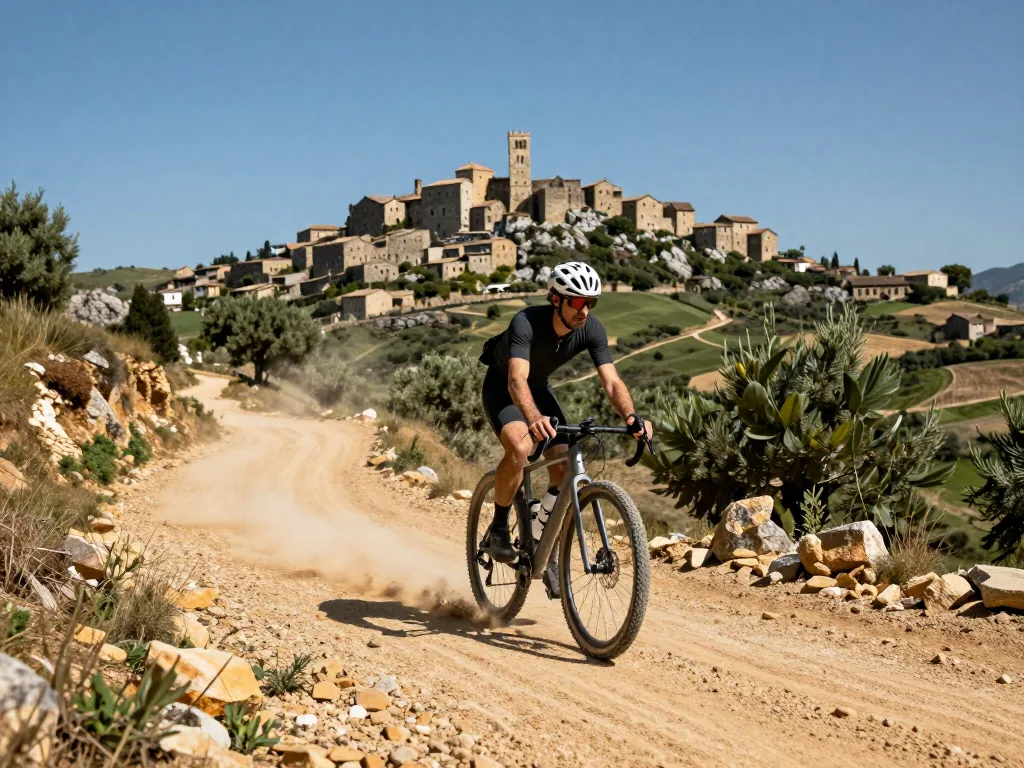
Rolling out of Girona, the road forks into two distinct worlds: smooth tarmac gliding toward the coast, rugged trails climbing into the Pyrenees. Choosing between a gravel bike and a road bike here isn’t about spec sheets—it’s about how you want to feel on every climb, descent, and stretch of loose stone. This guide cuts through the noise, weighing terrain demands, climbing efficiency, weather adaptability, and the practical realities of riding in this unique region. You’ll start with the core differences between the two machines, then move to route-specific advice, helping you match your bike to Girona’s mixed surfaces and punishing ascents. By the end, you’ll know exactly which ride suits the adventure you’re chasing.
Understanding the Terrain Around Girona
Paved Roads and Classic Climbs
Girona’s fame as a cycling hub is built on asphalt. The roads winding up to Rocacorba and Els Angels are local legends—smooth, well-kept ribbons that climb steadily through cork oaks and pines before opening to sweeping views of the Pyrenees and the Mediterranean. These aren’t brutal, switchback-laden passes; they’re rhythmic, grinding climbs with gradients around five to eight percent, perfect for settling into a steady tempo. Descending, the flawless surface invites serious speed, with long, sweeping bends that reward confidence and a low center of gravity.
For these classic loops, a road bike is the obvious pick. Its lighter frame makes accelerating out of every hairpin easier, and the narrower tires—typically 25 to 28 millimeters—cut rolling resistance on smooth tarmac. When the road tilts upward, the stiff, responsive frame turns every watt into forward motion. If you’re chasing a personal best up Rocacorba or joining the fast dawn group ride, the road bike’s aerodynamics and precise handling make you feel like you’re flying.
Unpaved Tracks and Greenways
But Girona isn’t just pavement. In recent seasons, a quiet shift has opened a web of gravel routes through the rural heart of the region. Sections of the Via Verde—a converted railway line running from the coast inland—offer hard-packed, crushed stone paths that a road bike can handle, but wider tires make far more enjoyable. Venture into La Garrotxa’s volcanic terrain, and you’ll find forest roads of compacted dirt, loose river stones, and, after rain, slick clay patches that punish a skinny slick tire.
These unpaved tracks link the medieval villages of the Empordà and Baix Empordà in ways asphalt can’t. To ride from Pals to Peratallada, or loop the oak-shaded trails near Besalú, you need the stability and confidence of a gravel bike. With tires 40 millimeters or wider, you float over loose stone chatter, and the slightly slacker geometry keeps the front wheel planted when the surface shifts. If your perfect day mixes quiet country lanes with a stretch of singletrack, or if you want the freedom to explore without checking the map for paved options, a gravel bike turns every dirt track into an invitation.
Matching Bike Capabilities to Ride Styles
Efficiency on Long, Steady Climbs
Girona’s defining roads—the long, unbroken haul up to Els Àngels, the steady grind toward Rocacorba—demand a machine that turns every joule of effort into forward motion. On these paved, sustained ascents, the road bike is the unequivocal choice. Its lighter frame, narrower tires, and more aerodynamic position cut drag and shave meaningful seconds over a twenty- or thirty-minute effort. When the gradient holds at five or six percent for kilometer after kilometer, the stiffness of a road frame under power and the directness of its handling assure you that not a single watt is wasted. In Girona’s typically dry, sunny climate, where traction on smooth asphalt is rarely a concern, low rolling resistance becomes a tangible edge. Riders who measure their day by average speed on classic climbs, or who chase segment times on the region’s most iconic ascents, will find this efficiency impossible to replicate on wider, heavier rubber.
Versatility for Mixed and Off-Road Itineraries
But Girona’s appeal extends far beyond tarmac. The Empordà’s vast network of farm tracks, cork oak trails, and unpaved shortcuts between medieval villages invites exploration that a pure road bike cannot accommodate. This is where the gravel bike makes its case. With clearance for 35–45mm tires, it glides over compacted dirt, loose gravel, and the occasional rocky stretch with a composure that leaves road bikes skittering and vulnerable. The wider footprint offers superior traction on damp mornings or after a rain shower, when paved roads turn slick and unpaved paths become muddy. Practical additions like fender mounts let you ride through a wet, cool day without arriving caked in spray, while the slightly more upright geometry reduces fatigue on long, self-supported routes. For the rider who wants one machine to handle the paved ride to the coast, then detour onto a rutted hillside track to find a hidden hermitage, the gravel bike delivers a sense of self-sufficiency and confidence no road bike can match. It is not the fastest on pure tarmac, but it is the most capable when your itinerary refuses to stay neatly within the white lines.
Practical Considerations for Riders
Weather and Seasonal Flexibility
Girona’s climate is a study in contrasts, and your choice of bike determines how many days a year you’ll ride comfortably. The region boasts over 300 days of sunshine, yet that figure masks cool, damp mornings and sudden afternoon showers, especially in spring and autumn. Here, a gravel bike thrives. Wider tires—typically 40mm or more—let you roll out confidently even when roads are slick with dew or scattered with overnight leaves. Fender compatibility is another quiet perk: bolt on mudguards in minutes and ride through a rain-soaked stretch without arriving at the café with a soaked back. Road bikes, meanwhile, excel when conditions are stable and dry. On a clear July morning, as the sun burns off mist over the Gavarres hills, a road bike’s low weight and aggressive geometry allow you to cover 120 kilometers before lunch, at speeds a gravel bike can’t match. Ride daily regardless of forecast? Gravel offers flexibility. Chase distance and pace in optimal weather? Road wins.
Services, Rentals, and Self-Sufficiency
Girona’s infrastructure cuts both ways. In the city and larger towns like Banyoles or Olot, bike-friendly cafés and well-stocked repair shops are never far. Popular paved loops—such as the coastal route via Sant Feliu de Guíxols—feature support points for quick tubes or coffee refills. Road riders can lean on this network, carrying minimal gear and trusting that a mechanical issue rarely strands them long. Gravel routes, however, push into the wilder Albera mountains or La Garrotxa’s hinterlands, where services thin dramatically. There, self-sufficiency is non-negotiable. Carry at least two spare tubes, a multi-tool with chain breaker, a small pump or CO2 inflator, and food for two extra hours beyond your plan. The isolated beauty draws you in, but it demands respect.
Visiting rather than moving? Rental options in Girona city cover both bike types, with daily rates from €30 to €90 depending on model and components. Before heading out on a gravel bike, check tire width—anything below 38mm punishes you on rocky descents—and ensure gearing handles the 15% ramps on unpaved climbs. A quick gear check on a road bike matters too, especially for the infamous Rocacorba climb, where a compact crankset is your best friend.
Route Planning and Local Cycling Culture
Choosing the Right Bike for Specific Routes
The terrain around Girona makes the choice for you—brand loyalty and fitness goals barely factor in. Stick to the classic pure road loops, those smooth, rolling circuits that climb toward Els Angels or weave through the Gavarres apple orchards, and a road bike is your weapon. These routes reward efficiency: the stiff bottom bracket, the narrower tires at higher pressure, the aerodynamic tuck—all of it translates into free speed on tarmac. You hold a faster pace with less effort, and your descending confidence on tight, well-paved switchbacks gets its payoff.
But Girona’s real charm sits at the ragged edges. The moment your planned route leaves asphalt for the volcanic zones of La Garrotxa or the dirt farm tracks linking the coastal hills above the Mediterranean, the calculus flips. On a gravel bike, those sections fold into the ride instead of becoming a negotiation. With clearance for wider, knobbier tires—typically 40 to 45 millimeters—you roll over loose stones, packed earth, and the occasional rutted cattle path without dismounting. On a road bike, you’d be walking those same stretches, shouldering the frame and losing the rhythm that makes mixed itineraries so memorable. The gravel bike doesn’t force a compromise on the road; it simply refuses to punish you when the surface turns raw.
Organized Rides and Group Dynamics
The local cycling culture is refreshingly agnostic. Walk into any old-town café on a Saturday morning and you’ll see a mixed lot: carbon road machines with deep-section wheels leaning against gravel bikes with flared bars and frame bags. Group rides routinely blend both disciplines, and the unwritten rule is simple—ride the bike you brought, ride it well. Nobody judges your frame material at the regroup point. What matters is pacing, route knowledge, and a willingness to wait at the junctions.
“The best bike is the one that matches the route you’ve planned—not the one that looks fastest in the parking lot.”
That local wisdom cuts through the marketing noise. On a mixed group ride, gravel riders float through dirt shortcuts while road riders take the longer asphalt detour, and you all reconvene at the same farmhouse café for coffee. The social dynamic rewards versatility, not vanity. Joining a structured club ride on the classic paved circuits? Bring the road bike. Exploring with a smaller crew and no fixed route? Bring the gravel bike. Either way, you’re part of the same peloton—just with different tires for different stories.
Budget, Upgrades, and Long-Term Value
Cost Differences and Entry Points
Comparing gravel and road bikes in Girona, the price gap at the entry level is narrower than most expect. Road bikes start around $800 to $1,500; gravel bikes begin slightly higher, from $900 to $1,700. That small upfront difference reflects the extra versatility in gravel frames—wider clearances, mounting points for racks and fenders, and more forgiving geometry. Climb the ladder, and the two converge: mid-range options for both sit between $1,800 and $3,500, while high-end carbon models run $4,000 and up. The real split happens at the top, where dedicated road machines escalate aggressively for marginal weight savings and aerodynamic gains, whereas gravel bikes often cap out with practical, durable components that won’t break the bank.
Tire and Component Flexibility
The strongest long-term argument for a gravel bike in Girona is its shape-shifting ability. Swap the knobby 40mm tires for slick 32mm road rubber, and you’ve effectively got two bikes—a smooth asphalt cruiser for the coastal routes to Sant Feliu de Guíxols and a rugged companion for rocky climbs into the Gavarres massif. That flexibility extends to components: gravel bikes typically feature wider gear ranges, clutch rear derailleurs for chain retention on rough terrain, and disc brakes as standard, even at lower price points. For a rider exploring both tarmac and trails without maintaining a second machine, this versatility delivers exceptional value over time.
Road bikes, however, offer a purer performance experience on asphalt, with fewer compromises for dedicated cyclists. A road-specific geometry puts you in a more aggressive, aerodynamic position, and the lighter weight translates into sharper acceleration on Girona’s rolling climbs. There’s also simplicity—no internal routing for dropper posts, no extra clearance eating into frame stiffness, just a machine built to do one thing exceptionally well. If your riding is 90% pavement and you’re chasing Strava segments or training for sportives, the road bike’s focus will serve you better long-term, even if it means less flexibility when the gravel itch strikes.
The Right Bike for Girona’s Roads
Your choice ultimately hinges on how you want to experience Girona’s terrain. Chasing fast times up Rocacorba or Els Àngels? A road bike’s stiff, lightweight frame pays off at every switchback. Crave the freedom to stitch those climbs together with gravel shortcuts, cork oak trails, or whatever the weather throws at you? A gravel bike turns any route into an adventure—and barely costs you any speed. For most riders wanting the region’s full range, gravel is the smarter all-rounder; for the pure performance purist, road remains definitive. Before buying, map out three rides you actually plan to do. All on tarmac? Go road. Even one on dirt? Go gravel.
Frequently asked questions
What makes a gravel bike a better choice than a road bike for cycling around Girona?
A gravel bike is better if you plan to explore the dirt tracks, farm roads, and the network of unpaved routes that lead into the Gavarres hills or the volcanic zone of La Garrotxa. Its wider tires and more relaxed geometry provide stability and comfort on rough surfaces, while still being fast enough on the paved sections that connect these areas. If you stick strictly to the smooth tarmac of the main coastal and inland routes, a road bike will be lighter and more efficient.
Are the famous climbs around Girona, like Rocacorba or Els Angels, better suited to a gravel or road bike?
On the paved ascent to Els Angels, a road bike is the clear winner due to its lower weight and stiffer frame, which helps on steep gradients. Rocacorba, however, has a rough, partially unpaved upper section that is far more enjoyable on a gravel bike with wider tires. For mixed days where you combine these climbs with dirt connectors, a gravel bike gives you more versatility without sacrificing too much speed on the tarmac.
Can I ride a road bike on the gravel paths near Girona without damaging it?
You can, but it’s not recommended for extended use, as the sharp stones and loose gravel can cause punctures and rim damage on narrow tires. Short sections of well-maintained gravel, such as the flat paths along the Ter River, are manageable on a road bike if you reduce tire pressure slightly. For the rougher tracks in the hills, a gravel bike with tubeless tires and at least 35mm width is far safer and more comfortable.
How does the weather in Girona affect the choice between gravel and road bikes?
Girona enjoys a Mediterranean climate with mild, dry winters, but rain can turn the unpaved tracks into slippery, muddy surfaces where a gravel bike’s knobby tires provide crucial grip. In summer, the heat makes the gravel roads dusty but firm, and a road bike is fine on the main paved routes. If you plan to ride year-round, a gravel bike handles the occasional wet and muddy days better, while a road bike is ideal for the many sunny, dry days.
What tire width should I choose if I want one bike for both road and gravel riding in Girona?
For a do-it-all bike, choose a gravel bike with 40mm tubeless tires, which strike a balance between rolling efficiency on tarmac and traction on dirt. You can swap to a second wheelset with 28mm road tires for pure road days, giving you two bikes in one. Avoid going narrower than 35mm if you plan to ride the rocky sections around the Costa Brava, as that width is the minimum for comfort and puncture resistance.
Is a road bike faster for the popular group rides that start from Girona city center?
Yes, on the classic group ride routes that head south toward the flatlands of the Empordà or north to the coastal road, a road bike is noticeably faster due to its aerodynamic position and lighter weight. The group rides usually stick to paved roads, and a road bike’s responsive handling is better for tight pacelines and quick accelerations. However, if you join a mixed-terrain group that includes off-road sections, a gravel bike will keep you from being dropped on the dirt.
Do I need a gravel bike to access the best cycling routes in the Girona Pyrenees?
No, the main passes and valleys in the Pyrenees, such as the climbs to Beget or Setcases, are fully paved and well-maintained, so a road bike is ideal for those long mountain days. Gravel bikes become valuable when you venture off the main roads onto the unpaved forestry tracks that connect remote villages, which are abundant and often less trafficked. If your goal is to summit the classic cols, a road bike is sufficient; if you want to link them via dirt shortcuts, a gravel bike opens up more options.
What are the practical differences in maintenance and cost between owning a gravel bike and a road bike in Girona?
Gravel bikes generally require more frequent cleaning and drivetrain care because the dirt and grit from unpaved roads wear down chains and cassettes faster, though tubeless setups reduce flat repairs. In terms of upfront cost, a comparable gravel bike is often slightly more expensive than a road bike of the same groupset, with prices typically ranging from 1,500 to 4,000 euros for a solid model. Road bikes have cheaper tires and fewer wear items, but if you ride gravel regularly, you’ll spend more on replacement parts over time.
If I only have budget for one bike and I'm new to cycling in Girona, which should I pick?
For a new cyclist who wants to explore the region’s variety, a gravel bike is the more practical choice because it lets you safely try both smooth roads and easy off-road paths without feeling limited. It’s also more forgiving on the poorly surfaced sections of some rural lanes, which can be a shock on a road bike. You can always put slicker tires on it later if you decide you prefer pure road riding, making it a more versatile investment for a single-bike setup.
Are there any specific routes in Girona where a gravel bike is a clear disadvantage compared to a road bike?
On the flat, fast time-trial-style stretches along the N-II service road or the smooth cycle paths near the airport, a road bike’s lower weight and aerodynamic bars give a clear speed advantage. Also, on the steep, smooth climbs like the final ramp to Sant Martí Vell, a road bike’s stiffness and lighter wheels make it easier to hold a high cadence. In these cases, a gravel bike’s wider tires and heavier frame will cost you a few minutes over a long ride, but not enough to ruin the experience.