Catalonia's Best Kept Secret: The Ultimate Multi-Day Gravel Tour
Discover Catalonia's hidden gravel trails on this epic multi-day tour—rugged mountains, coastal paths, and charming villages await adventure cyclists.
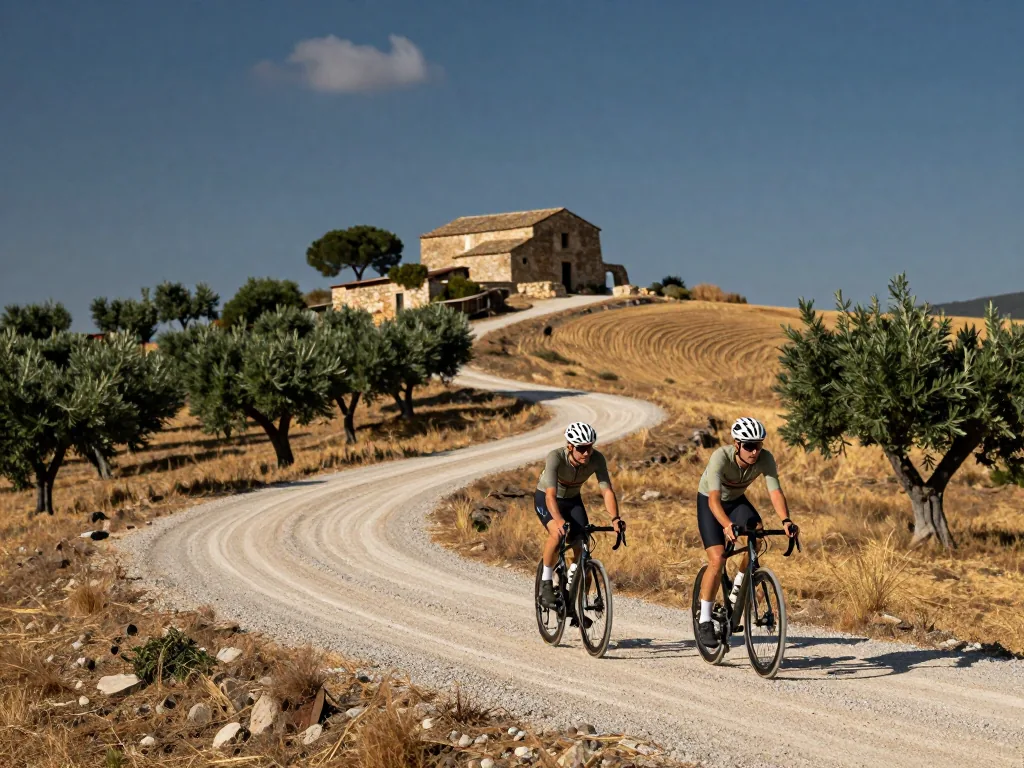
Forget the crowded Costa Brava and Barcelona’s tourist-packed streets—the real Catalonia hides in dusty singletrack, vine-covered hills, and the jagged silhouettes of ancient monasteries. This guide is your complete blueprint for a multi-day gravel adventure, self-supported or lightly supported, that starts and ends in the Catalan capital. It winds through the underrated Penedès wine country, the rugged Garraf coastline, and the dramatic foothills of Montserrat. You’ll find full route logistics, honest terrain breakdowns, cultural detours worth your energy, and the practical resupply and accommodation strategies that keep you riding smooth. Hungry for more? We’ve added an optional Priorat extension—a reward for the bold with some of the most spectacular, and punishing, gravel in the region.
Planning Your Departure from Barcelona
Using Public Transport to Reach the Trailhead
The smartest way to begin your gravel adventure? Let the train carry you out of the urban sprawl. Hop aboard a Rodalies (RENFE) commuter train from Barcelona’s Sants or França station and ride southwest to Sant Sadurní d’Anoia or Vilafranca del Penedès. This simple move skips the congested, uninspiring city outskirts and drops you directly at the threshold of Catalonia’s finest gravel networks. Morning departures run frequently, but you must confirm the bike carriage policy for your specific line and time slot before committing.
- Purchase a single ticket with a bike supplement, typically costing from €1 to €3 extra per bicycle.
- Board early to claim a spot in the designated bike area—space fills quickly on weekend mornings.
- Aim for a departure before 9:00 AM to maximize your riding daylight and avoid the afternoon heat.
- Before you leave Barcelona, verify the return train schedule from your final trailhead town; many rural stations have limited evening services.
First-Day Route Design and Navigation
Resist the temptation to bite off a massive first day. Instead, plan a route of 50 to 70 kilometers with moderate elevation gain between 800 and 1,000 meters. That gives your legs time to adapt to the terrain while leaving energy for exploring the vineyard-draped hillsides and medieval villages that punctuate the opening stretch. Download offline maps or load your GPS device with the GR 2 and Camí de Sant Jaume tracks before you depart. Mobile signal vanishes unpredictably in the Garraf massif and the Montserrat foothills, and you do not want to be navigating by guesswork on loose limestone.
Begin with a gentle warm-up on paved farm roads that wind through the Penedès wine country. These smooth, low-traffic lanes let you find your rhythm and adjust your bike setup before the surface transitions to the region’s signature limestone gravel. That first shift in terrain is where the tour truly begins—the crunch of stone under your tires, the scent of wild rosemary in the air, and the distant silhouette of Montserrat guiding you inland. Keep your pace steady, drink often, and save your matches for the climbs that await in the coming days.
The tour begins with a southward push from the train drop-off straight into Garraf Natural Park—a rugged, limestone landscape that feels worlds apart from Barcelona’s sprawl. Here, the route earns its keep: sharp, punchy climbs test your legs immediately, then give way to fast, flowing descents on well-defined dirt tracks. The terrain is rideable on gravel bikes with 40mm tires or wider, but it’s exposed, with little shade. Carry at least 2 liters of water for this stretch alone; no reliable sources exist until you exit the park. Stick strictly to existing trails—this respects the protected status and keeps you on the most efficient lines. Your reward: a sweeping Mediterranean view before turning inland.
Leaving the coast, you cross into Penedès, and the ride’s character shifts dramatically. Sections of the GR 2 (Transversal Trail) wind through endless vineyards and olive groves on hard-packed, fast gravel. The terrain rolls gently, sitting between 200 and 500 meters—a welcome reprieve after Garraf’s steepness. A mid-day stop in Vilafranca del Penedès is non-negotiable. It’s the perfect resupply point for water and food, and a local wine cooperative opens its doors to the public for a well-earned tasting. The GR 2 is only partially rideable; short, steep sections force you to dismount and push, but these are brief, punctuating an otherwise smooth, rhythmic ride through Catalonia’s wine heartland.
The final approach to Montserrat offers a study in contrast. Rather than tackling the iconic summit—off-limits to cyclists—you weave through the Santa Cecília area and surrounding foothills. Here, the gravel loosens and gradients stiffen, with pitches up to 12%. This is the tour’s most technical riding, demanding focus and careful line choice. The Camí de Sant Jaume (the Catalan Way of St. James) intersects the zone, mixing dirt tracks with quiet, paved lanes that let you catch your breath. Before the day’s final climb or descent, make Monistrol de Montserrat your key resupply point—the last reliable spot for water and provisions, and its base-of-mountain position sets you up perfectly for whatever the next morning brings.
Accommodation and Resupply Strategy
Rural Guesthouses and Small Hotels
A solid plan for where you’ll rest and refill is the backbone of any multi-day gravel tour. In Catalonia, the best stays are the cases rurals—rural guesthouses—and small, family-run hotels tucked into wine country and mountain foothills. Base yourself in Sant Sadurní d’Anoia, the heart of cava production; Vilafranca del Penedès, with its grand square and lively market; or Monistrol de Montserrat, beneath the mountain’s jagged silhouette. Expect €30 to €80 per person per night, breakfast usually included. Spring and autumn draw the crowds, so book at least a week ahead—these towns fill fast with cyclists and wine tourists.
Before booking, confirm bike storage. A garage, locked courtyard, or secure shed is non-negotiable; you don’t want your gravel machine leaning in a public hallway overnight. Ask for an early breakfast or packed lunch—most hosts happily cater to riders rolling out at dawn. Rural Catalonia isn’t bike-shop dense, so carry a basic repair kit: spare tubes, a chain quick-link, and a multi-tool. The nearest mechanic could be 40 kilometers away over rough terrain.
Campsites and Remote Water Points
On a leaner budget, excellent campsites dot the Garraf massif and Montserrat foothills. Pitch prices run €10 to €20 per person, with hot showers and small grocery stores at many sites. Water resupply is reliable in the towns mentioned, but wilder stretches—the limestone moonscape of Garraf, the exposed trails around Montserrat—demand self-sufficiency. Carry at least 2 liters at all times, and fill up at every fountain, bar, or restaurant you pass. Remote water sources can sit 30 to 50 kilometers apart, and a dry fountain in midday heat is a mistake you won’t repeat. Plan daily mileage around known water points, and treat every village square as a mandatory hydration stop.
Terrain, Fitness, and Seasonal Considerations
Daily Elevation and Surface Types
You’ll climb between 800 and 1,500 meters each day across limestone gravel, dirt tracks, and the occasional paved stretch. The Montserrat foothills loop typically proves toughest, with sustained climbs and loose surfaces that call for lower gears and careful line choice. A gravel bike with a 1x drivetrain—think 40-42T chainring and 11-42T cassette—will suit most riders. The overall profile stays manageable for intermediates, but multi-day riding compounds fatigue, so arrive with a base of at least 200 kilometers per week in the month prior. Limestone sections can turn slick and polished after dry spells; tires in the 40-45mm range with light tread offer grip without slowing you on smoother dirt connectors. Watch the transitions between surfaces—the abrupt shift from fast gravel to rocky singletrack is where riders lose time and confidence. On climbs, avoid grinding a big gear; spinning at a higher cadence preserves your legs for the late-afternoon descents, which often outshine the ascents in length and reward.
Best Seasons and Weather Planning
April through June and September through November are your windows, with temperatures of 15–25°C and lower rainfall than winter. Summers get too hot for long climbs; winters bring mud and cold. Check forecasts daily—spring can produce afternoon thunderstorms, so start early and pack a lightweight rain jacket. Shoulder seasons also mean quieter trails: popular coastal and mountain routes see fewer hikers and cyclists, leaving singletrack to you. Be aware that October may bring the first serious winds, especially on exposed ridgelines; a windproof gilet earns its place in your frame bag. For hydration, carry at least two bottles per stage plus a filter or purification tablets, since natural springs aren’t always potable. If booking accommodations, note that many rural guesthouses close for a few weeks in November—confirm availability before finalizing your itinerary.
“The key to enjoying Catalonia’s gravel is to respect the terrain’s rhythm: climb early, rest in the shade at midday, and save the descents for the cooler afternoon hours.”
Optional Extension and Final Return
Extending to the Priorat Wine Region
If your legs are still hungry and your schedule allows, tack on a 2–3 day loop south from the Penedès into the Priorat. This is where the tour transforms from scenic to epic. The Priorat is famed for its llicorella—dark, shimmering slate soils that produce some of Spain’s most coveted wines, but those same slopes make for brutally honest gravel. Expect rougher surfaces, steep pitches, and long stretches where the only sound is your own breathing. This is not a place for casual meandering; it rewards self-sufficiency. Resupply points are few and far between, so plan to carry at least 3 liters of water and a full day’s worth of food at all times. The extension adds roughly 150–200 km and 2,000–3,000 meters of elevation gain, curling through terraced hillsides and silent oak forests before rejoining the main route near Montserrat. You’ll climb hard, descend faster, and taste some of the most distinctive wines in Europe at tiny family bodegas that rarely see tourists. If you have the days, this loop is the difference between a great ride and an unforgettable one.
Returning to Barcelona by Train
When the gravel finally runs out, let the rails carry you home. Plan your final night in a town with a Rodalies station—Monistrol de Montserrat or Sant Sadurní d’Anoia are both solid choices. Ride the last morning’s kilometers easy, savoring the transition from dirt to pavement, then roll into the station with time to spare. Direct trains run to Barcelona in 1 to 1.5 hours, depending on the service. Before you commit to a departure, check the bike carriage policy for that specific train; some regional services require a reservation during peak hours, and you don’t want to be turned away with a loaded bike. Give yourself a full 30 minutes to disassemble and pack your bike—it always takes longer than you think, especially with tired hands and a dusty drivetrain.
- Carry a spare inner tube and tire levers for the final ride to the station; a flat on the last stretch is a cruel joke.
- Keep a copy of your train schedule offline, as mobile data may be patchy in the hills.
- Stash a small rag or towel to wipe down your frame before boarding—it keeps the train clean and earns you goodwill with the conductor.
The Road Ahead
Every piece of the puzzle is here—train logistics, terrain tactics, and where to rest after a long day in the saddle—so you can stop dreaming and start spinning. Catalonia’s true magic isn’t in its famous cities; it’s in the quiet gravel paths that weave through vineyards, cliffs, and medieval hamlets. Now you know exactly how to reach them. All that’s left is to pick a starting point, pack your bags, and let the route unfold beneath your wheels. Book the train, inflate the tires, and chase the secret few have found. The landscape is waiting—but it won’t reveal itself to anyone who stays home.
Frequently asked questions
What is the best time of year to do a multi-day gravel tour through Catalonia?
The ideal windows are late spring (May to mid-June) and early autumn (September to mid-October), when temperatures are mild for climbing and the trails are dry. Summer can be scorching in the interior plains, while winter brings rain and occasional snow at higher elevations like the Pyrenees foothills.
How many days should I plan for a typical Catalonia gravel route?
Most riders choose between 4 and 7 days, covering 50 to 90 kilometers per day depending on elevation gain. A 5-day loop from Girona to the Costa Brava and back is a popular sweet spot, offering a mix of coastal singletrack, vineyard tracks, and mountain passes.
What kind of terrain and surfaces can I expect on Catalonia gravel routes?
You’ll encounter a mix of hard-packed limestone farm tracks, rocky riverbeds, smooth forest fire roads, and occasional sections of broken asphalt in villages. Expect short, punchy climbs in the coastal ranges and longer, steadier gradients in the pre-Pyrenees, with some technical descents over loose stones.
Do I need a specific type of gravel bike or can I use a mountain bike?
A gravel bike with 40-45mm tires is ideal for the mixed surfaces, but a hardtail mountain bike with slicker center tires works fine if you prefer more suspension. Avoid road bikes with tires narrower than 32mm, as the rocky sections will be punishing and increase the risk of flats.
Is it safe to ride self-supported, or should I book a guided tour?
Self-supported riding is very doable because Catalonia has good signage, frequent small towns, and reliable mobile coverage on most routes. However, a guided tour helps with luggage transfers, pre-arranged meals, and local knowledge of water sources, which is valuable in the drier southern sections.
What should I pack for a multi-day gravel tour in Catalonia, in terms of clothing and gear?
Pack lightweight layers, including a windproof vest and a rain jacket, as mountain weather can shift quickly even in summer. Carry at least two water bottles (or a 2-liter bladder) because public fountains are sparse on remote gravel climbs, plus a basic repair kit with tubeless plugs, a spare tube, and a multi-tool.
Are there good options for food and overnight accommodation along the routes?
Yes, you’ll find small family-run hostals, agroturismos, and basic mountain refuges in most valleys, with prices ranging from 40 to 120 euros per night for a private room. For food, plan to stock up in larger towns like Vic or Olot, as rural bars may close early or be closed on Sundays, especially outside tourist season.
How challenging are the climbs on a typical Catalonia gravel tour?
The total elevation gain per day usually ranges from 800 to 1,800 meters, with the hardest days involving sustained 6-8% gradients on unpaved roads. If you’re not used to climbing, choose a route that sticks closer to the coast, where hills are shorter and more rolling, rather than the inland mountain chains.
Can I easily resupply with water and food during the ride, or do I need to carry a lot?
In the northern and central regions, you’ll pass a village every 15-20 kilometers, but in the southern Ebro valley and some Pyrenean foothills, gaps can stretch to 40 kilometers. Always carry at least 1.5 liters of water and a few energy bars, and check opening hours of small shops, as many close for a long midday break.
What are the key navigation tips for riding gravel in Catalonia without getting lost?
Download offline GPX tracks onto a bike computer or phone, as cell signal is unreliable in deep valleys and forested areas. Pay attention to red-and-white GR waymarks and yellow local trail markers, but don’t rely on them alone, because some gravel paths are shared with farm vehicles and may not appear on standard maps.